

A bike pump is a practical way to inflate bicycle tyres at home or while out riding. The right choice depends on where you expect to use it, how you want to carry or store it, and whether it suits your bike’s valves.
Start by checking the valve type on your tyres and deciding whether you need a pump mainly for home use, roadside carry or both. Then compare the pump’s stated compatibility, pressure information and size rather than assuming every pump suits every bike.
Compare Bike Pumps


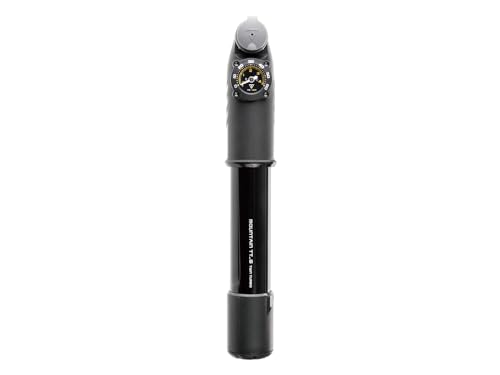


As an Amazon Associate we earn from qualifying purchases.
What should you look for in a bike pump?
Choose a pump that is confirmed as suitable for your tyre valve and intended use. A floor pump is often a convenient choice for home inflation, while a compact hand pump is easier to carry but involves more manual effort. If you want one pump for several situations, consider how its size, attachment and included features balance against portability.
Bike pump features compared
| Feature | What it means | Why it matters | What to check |
|---|---|---|---|
| Valve compatibility | The valve types the pump head is designed to connect to. | A pump that does not suit your tyre valve may not be usable without a suitable adapter. | Identify your tyre valve and check the product information for an explicit match. |
| Pump format | For example, a floor-standing pump or a compact hand pump. | Format affects how easy it is to store, carry and use for your intended situation. | Check its size, whether it is intended for home or portable use, and any stated mounting arrangement. |
| Pressure information | A stated pressure range and, on some pumps, a gauge. | This helps you compare the pump with the requirements of your tyres and see whether pressure can be monitored. | Compare stated limits with your tyre guidance; check whether a gauge is included and how its readings are displayed. |
| Connection and hose | The arrangement used to connect the pump to the tyre valve. | Connection style can affect handling and how well the pump suits your preferences. | Check the head or hose description and whether any adapter is included if you need one. |
| Size and storage | The pump’s dimensions and any stated carrying or storage options. | A larger pump may suit a home storage spot, while a smaller one may be easier to carry. | Check dimensions, weight if stated, and whether a bracket or bag is included. |
Specifications vary by model, so always check the individual product page before buying.
What to consider before you choose
Match the pump to your tyre valve
Bicycle tyres can use different valve types, so check the valve on your own bike before comparing pumps. Some pump heads are described as compatible with more than one valve type, but do not assume that is the case for every model. If an adapter is needed, check whether it is included or must be sourced separately.
Choose for home use, carrying or both
A floor pump has a base and handle intended to make pumping while standing more practical, but it takes more room than a compact pump. A hand pump is easier to take along, though its smaller format can mean more effort to use. If you are buying one pump to cover both needs, consider whether you are comfortable with the compromise in size and convenience.
Read pressure details in context
Check any stated pressure range against the guidance for your particular tyres. A gauge can help you monitor a reading, but it is useful only if its display is clear to you and its range is appropriate for your needs. Do not assume that a pump’s maximum pressure is the pressure your tyre should be inflated to.
Check the connection and any included extras
Look at how the pump connects to the valve and whether it has a hose, an adapter or a carrying or mounting accessory. These details can influence handling and storage, but included items vary. Confirm what is included rather than relying on a product image alone.
Common bike pump types
- Floor pumps: Often suited to a home setup where a larger pump can be stored. Their size is less convenient for carrying on a ride.
- Hand or mini pumps: Compact options for carrying with a bike or in a bag. Their small format can require more manual effort than a floor pump.
- Frame-fit pumps: Longer portable pumps designed to be carried on or alongside a bike. Check the stated fitting method and whether it suits your frame and preferred storage arrangement.
- Suspension pumps: These are intended for bicycle suspension components rather than ordinary tyre inflation. Check the product’s stated purpose carefully if you are shopping for a tyre pump.
Choose for the way you ride
- Mostly home use: Consider a floor pump if you have room to store one and want a pump intended for regular use at home. Check valve fit, pressure information and whether you want a gauge.
- Regularly carry a pump: Compare compact hand pumps by their stated size, weight and carrying arrangement. A smaller pump is easier to pack, but may take more effort to use.
- Want a home and ride option: Decide which situation matters most, then compare whether one pump’s size and format are a workable compromise for the other.
- Shopping for a suspension component: Look specifically for a pump described for that purpose; a tyre pump is not automatically suitable for suspension parts.
Common buying mistakes
- Assuming all pump heads fit all valves: Check your bike’s valve type and the pump’s stated compatibility before choosing.
- Buying only by size: A compact pump is convenient to carry, but consider whether its format suits how you expect to use it.
- Treating the pump’s maximum pressure as a target: Use the guidance for your tyre to determine the appropriate pressure, and check that the pump’s stated range is suitable.
- Confusing a suspension pump with a tyre pump: Check the stated intended use; these pump types serve different components.
- Assuming accessories are included: Confirm whether any required adapter, bracket or carrying case is included in the product information.
Safety and suitability
Use a pump intended for the bicycle component you are inflating, and check that its stated pressure range is suitable for the tyre or component. Follow the relevant manufacturer guidance and do not exceed the limits given for your tyre or equipment. If the pump’s compatibility or intended use is unclear, check the product information before buying.
Care and storage
Choose a storage spot that suits the pump’s size and keeps it accessible for the situations you have in mind. If you plan to carry a pump on your bike, check how its stated mounting system fits your setup; if you will store it at home, consider the space needed for its handle, base or hose. Follow the manufacturer’s care guidance and check any storage accessories included with the pump.
A simple buying process
- Identify the valve type on your bike and whether you need a tyre pump or a pump for another bicycle component.
- Decide whether the main need is home use, carrying on rides or a compromise between the two.
- Compare pump format, stated valve compatibility, pressure information and connection style.
- Consider the trade-off between portability and ease of use, along with any storage or mounting needs.
- Check the individual product information for compatibility, stated limits and included accessories before choosing.
Bike pump buyer checklist
- Have I identified the valve type on my tyre?
- Is the pump explicitly suitable for that valve and intended component?
- Does its format suit home storage, carrying on rides or both?
- Have I checked its stated pressure range against the relevant tyre guidance?
- Do I want a gauge, and is its display suitable for me?
- Have I confirmed which adapters and accessories are included?
Frequently asked questions
How do I know which valve type my bike has?
Check the valve fitted to your tyre and compare it with the valve types named in the pump’s product information. If you are unsure, ask a knowledgeable bike shop to identify it before buying.
Can one bike pump fit different valve types?
Some pumps are described as compatible with more than one valve type, while others may need an adapter or suit a specific type. Check the individual product information rather than assuming compatibility.
Is a floor pump or a mini pump better?
It depends on where you expect to use and store it. A floor pump takes up more room but is intended for use from a standing position; a mini pump is easier to carry but usually involves more manual effort.
Do I need a gauge on my bike pump?
A gauge can help you monitor pressure while inflating, but it is not essential for every buyer. If you want one, check that the display is readable and that the stated range suits your needs.
Can I use a tyre pump on a suspension fork or shock?
Do not assume a tyre pump is suitable for suspension components. Look for a pump explicitly described for the component you intend to inflate.
Does a pump’s maximum pressure tell me what pressure to use?
No. The maximum stated for a pump describes the pump’s limit, not the correct pressure for your tyre. Use the guidance provided for your specific tyre and check that the pump’s stated range is appropriate.
More Bike Pumps
See all 79 Bike Pumps →


As an Amazon Associate we earn from qualifying purchases.