

Gym gloves are worn during exercise to change the feel of a hand-to-equipment contact. The right pair depends on what you use them for and whether you prioritise finger movement, coverage, cushioning or a close fit.
Use this guide to compare the details that affect comfort and handling. Product designs vary, so check the sizing information and care instructions for each pair rather than assuming all gym gloves are alike.
Compare Gym Gloves


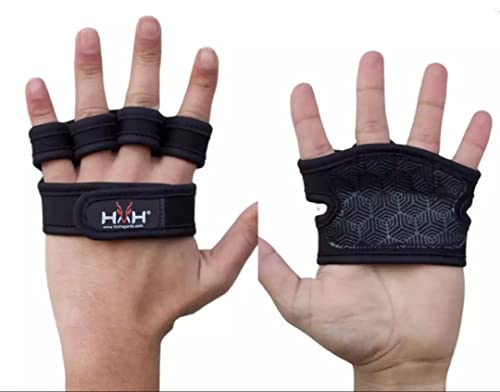
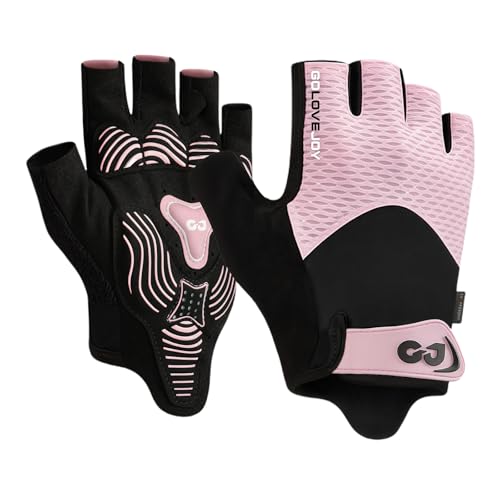

As an Amazon Associate we earn from qualifying purchases.
What should you look for in gym gloves?
Start with fit and intended use: gloves should feel secure without restricting the hand movements you need. Then compare finger coverage, palm construction, padding and fastening. The main trade-off is that more coverage or padding can change how freely your fingers move and how directly you feel the equipment.
Gym gloves compared: key buying factors
| Feature | What it means | Why it matters | What to check |
|---|---|---|---|
| Fit and sizing | How the glove sits across the palm and fingers | A loose or restrictive fit may feel awkward during use | The size guide, measuring method and any fit notes |
| Finger coverage | How much of each finger the glove covers | Coverage affects finger freedom and how much of the hand is enclosed | Whether the design is fingerless or covers the fingers |
| Palm construction | The material and surface across the palm | It affects the feel between your hand and equipment | Described materials, surface details and care instructions |
| Padding | Whether and where the palm has cushioning | Padding changes the feel and thickness at contact points | Its position and extent, if specified |
| Fastening | How the glove is secured around the hand or wrist | A fastening can affect how easily you adjust or remove the glove | Closure type and whether any wrist strap is integrated |
Choosing the right features
Fit and sizing
Fit is a useful first filter because gloves that shift or feel tight can distract from the activity. Check how the seller defines each size and follow the product page’s measuring instructions; sizing methods can differ. If you are between sizes, use any supplied fit guidance rather than assuming that sizing up or down will work for every design.
Finger coverage and dexterity
Fingerless designs leave more of the fingers uncovered, while full-finger designs cover them. Consider how much freedom you want for handling equipment and whether you prefer a more enclosed feel. Neither style is automatically the better choice for everyone.
Palm material and padding
Look for a clear description of the palm material and any textured or padded sections. Padding may change how thick the contact feels, while a more direct feel may suit someone who prefers less between hand and equipment. Do not infer a particular grip effect or level of cushioning from a product image alone.
Fastening and wrist details
Check whether the glove uses a simple closure or includes a strap around the wrist. An integrated strap is a design feature, not proof of a particular level of wrist support. Consider whether the fastening looks adjustable and whether its position suits your preference.
Specifications vary by model, so always check the individual product page before buying.
Types of gym gloves
Fingerless gloves leave the fingers exposed and may suit buyers who prefer less finger coverage. Their main trade-off is that they do not enclose the fingers.
Full-finger gloves cover the fingers and may suit someone looking for a more enclosed design. Check the size and finger construction, as coverage can affect how freely the fingers move.
Gloves with wrist straps include an additional fastening around the wrist on some designs. Check the product description to confirm whether a strap is present and how it closes; do not assume that every glove has one.

Which gloves may suit your needs?
If you want fingers free for handling equipment, compare fingerless options and check the fit across the palm. If you prefer more coverage, look at full-finger designs and pay particular attention to finger sizing and movement. If you are replacing a familiar pair, compare its coverage, padding and fastening with the new product rather than relying on a similar-looking image.
For a first pair, narrow the choice by intended use and preferred feel before comparing finer details. A more padded design may feel different from a thinner one, so consider which trade-off you prefer rather than treating one construction as universally suitable.
Common buying mistakes
- Choosing by appearance alone. Check sizing, finger coverage and fastening in the product details as well as in photographs.
- Assuming all gloves have wrist straps. Confirm that a strap is explicitly described if it matters to your choice.
- Expecting padding to feel the same on every hand. Compare where padding is placed and how much is described; a product image may not show its thickness clearly.
- Ignoring care requirements. Read the stated cleaning instructions before buying, especially if easy care is important to you.
- Treating a glove as a substitute for suitable equipment. Gloves change the feel of contact but do not establish that an activity or equipment setup is suitable for you.
Safety and suitability
Choose gloves intended for the activity you have in mind and check that the fit and fastening feel appropriate to you. Gloves are not a guarantee of protection, and a design feature such as padding or a wrist strap should not be treated as proof of a particular safety benefit.
Care and storage
Care instructions vary by material and construction, so follow the product-specific guidance rather than assuming the gloves can be washed in a particular way. Store them as directed and allow for any stated drying requirements before putting them away.
A simple buying process
- Decide what activity you want the gloves for and what feel you prefer.
- Choose between fingerless and full-finger coverage.
- Compare sizing, palm construction, padding and fastening.
- Weigh the trade-off between coverage, cushioning and finger freedom.
- Read the product-specific size guide, care details and description before deciding.
Gym gloves buyer checklist
- Is the intended use clear?
- Does the size guide explain how to choose a size?
- Do you prefer fingerless or full-finger coverage?
- Are the palm material and any padding described clearly?
- Does the fastening match your preference, and is a wrist strap explicitly included if needed?
- Have you checked the care instructions?
Frequently asked questions
How should gym gloves fit?
Check the product’s sizing guide and measuring method, as these can vary. Look for a fit that feels secure without restricting the movements you need, and use any fit notes supplied for that specific pair.
Are fingerless or full-finger gloves better?
It depends on how much finger coverage you prefer. Fingerless designs leave fingers more exposed, while full-finger gloves enclose them; compare the trade-off in coverage and freedom of movement.
Do all gym gloves include wrist straps?
No. A wrist strap is a feature to check in the individual product description, not something to assume from the category name or appearance.
Does more padding always make a glove more comfortable?
Not necessarily. Padding changes the thickness and feel at the palm, and preferences differ. Check its placement and extent in the product information, and consider whether you prefer more or less material between your hand and the equipment.
How should gym gloves be cleaned?
Follow the care instructions provided for the particular gloves. Materials and construction differ, so a cleaning method suitable for one pair may not be appropriate for another.
More Gym Gloves
See all 52 Gym Gloves →
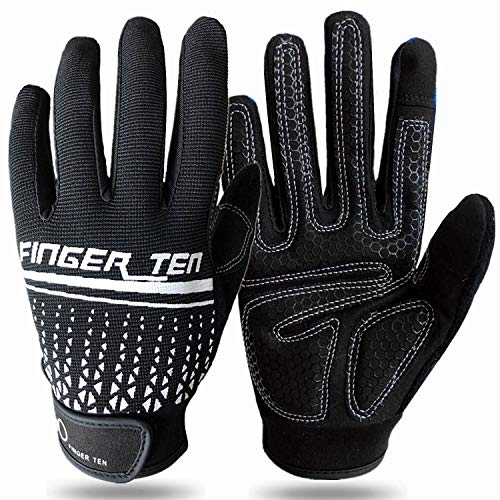


As an Amazon Associate we earn from qualifying purchases.