

A hydration vest is designed to be worn while carrying drinking water and, depending on its layout, other small items. The right choice depends on how you plan to use it, what you want to carry and how comfortably the vest fits while moving.
Compare the carrying arrangement and fit before focusing on appearance or the amount of storage. Product names can mention a flask or bladder, but check the individual listing to establish what is included and how the vest is designed to hold it.
Compare Hydration Vests


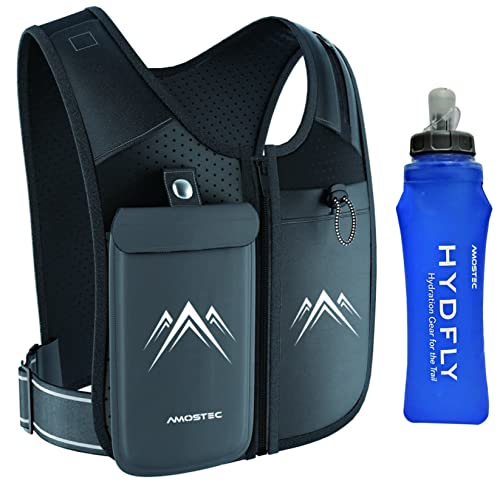
As an Amazon Associate we earn from qualifying purchases.
What should you look for in a hydration vest?
Start with fit: a vest should feel secure over the clothing you expect to wear, without distracting movement or uncomfortable pressure. Then decide whether you prefer a front-mounted flask arrangement or a vest designed to hold a hydration reservoir, and check what is actually included. Finally, consider the pockets and total load you need to carry; more storage can be useful, but may add bulk. Specifications vary by model, so always check the individual product page before buying.
Hydration vest features compared
| Feature | What it means | Why it matters | What to check |
|---|---|---|---|
| Fit and sizing | The vest’s shape, adjustment points and stated size guidance. | A secure, comfortable fit helps keep the carried load settled while you move. | Check the size chart, measurements requested and any adjustment details. Consider the clothing you will wear underneath. |
| Hydration arrangement | Front pockets may hold soft flasks; some designs are intended for a reservoir carried behind the wearer. | These layouts differ in access, placement and how you prefer to carry water. | Confirm the intended container type, whether a container is included and any stated compatibility information. |
| Pockets and storage | Compartments for items such as a phone, keys or a light layer. | Useful storage can reduce the need for another bag, but extra pockets may add bulk. | Look for pocket locations, closures and stated dimensions if an item must fit inside. |
| Carrying capacity | The space and arrangements available for water and other carried items. | Your intended load affects comfort and how much kit you can bring. | Check whether any capacity refers to water, storage or both, and do not assume the vest includes pictured accessories. |
| Materials and care | The fabric and care guidance specified for that vest. | Care needs can differ, particularly where the vest is used with a separate water container. | Read the product’s care instructions and any separate cleaning guidance for included containers. |
Choosing the details that matter
Fit and adjustment
Fit is personal, so use the maker’s sizing information rather than relying on a general clothing size. Check how the vest is adjusted and whether the stated measurements match the layer you expect to wear beneath it. A close fit may help limit movement, while an overly tight fit can feel restrictive; aim for a balance that feels secure without uncomfortable pressure.
Flasks, reservoirs and what is included
Front-mounted soft flasks can be easy to reach, while a rear reservoir arrangement keeps the water behind you and may suit someone who prefers that layout. These are different ways of carrying water, not a guarantee that a particular vest includes a container. Check the listing for included items, the container type it is designed to hold and any supported compatibility details; avoid assuming that a container you already own will fit.
Pockets and load
Think about the items you actually plan to carry. Check where pockets sit, how they close and whether their stated dimensions suit anything that needs a particular fit. A vest with more storage may be useful for carrying extra items, but it can also encourage a larger load. Compare the layout with your intended use rather than choosing by pocket count alone.
A practical fit check
If you can try a vest on, wear the sort of layer you expect to use and adjust it as directed by the maker. Check that you can reach the pockets and hydration containers, and notice whether the vest shifts or rubs as you move naturally. If you are choosing from product information instead, compare the sizing guidance and adjustment details carefully; do not assume that a single size label means the same fit across different products.
Common hydration vest configurations
- Front-flask layouts: These place flask pockets at the front and may suit buyers who want to reach their water there. Check whether flasks are included and what type the pockets are intended to hold.
- Reservoir-oriented layouts: These are designed around carrying a water reservoir at the back. They may suit someone who prefers that arrangement, but confirm whether a reservoir is supplied and check the stated fit or compatibility details.
- Minimal-storage layouts: Some buyers may prefer a simpler vest with fewer carrying compartments. This can mean less room for extra items, so check that the available storage matches your needs.
These describe general layouts rather than a promise that any particular configuration is currently available. Check the individual product details before deciding.
Choosing by intended use
For shorter outings or a light load, prioritise a comfortable fit and only the storage you expect to use. If you need to carry more items, compare pocket positions and the vest’s stated capacity, while considering whether the added bulk is worthwhile. If access to water is your main concern, choose the flask or reservoir arrangement that suits your preference and confirm what comes with the vest. For a first vest, straightforward sizing information and a clearly described layout may make comparison easier.
Mistakes to avoid
- Choosing by size label alone: Sizing can differ between products. Compare the supplied size chart and measurements.
- Assuming a container is included: A flask or reservoir shown or mentioned in a title may not be part of the vest. Check the listing contents.
- Overlooking container compatibility: Similar-looking arrangements do not guarantee that a container you own will fit. Look for explicit compatibility information.
- Focusing on storage without considering the load: Extra space can be useful, but carrying more may change how the vest feels. Choose pockets for items you expect to bring.
- Ignoring access and pocket placement: A pocket’s position can affect how convenient it is to use. Check product images and descriptions against your preferences.
Safety and suitability
Choose a vest intended for your planned activity and follow the product’s fit and use guidance. Make sure the arrangement suits the items and containers you intend to carry, and do not rely on assumed compatibility or on accessories that are not listed as included.
Care and storage
Follow the care instructions for the vest and any included hydration container, as their requirements may differ. Where a container is used, check its own cleaning and drying guidance. Store the vest as directed by the maker, and check care information before buying if it is important that the garment can be cleaned in a particular way.
A simple buying process
- Decide what you need to carry and how you intend to use the vest.
- Choose whether a front-flask or reservoir-oriented layout better matches your preference.
- Compare sizing information, adjustment details, pocket layout and stated capacity.
- Check what is included and verify any container compatibility you need.
- Read the individual product information and care guidance before deciding.
Hydration vest buyer checklist
- Does the size guidance match your measurements and expected clothing layers?
- Is the vest designed for the hydration arrangement you prefer?
- Are flasks, a reservoir or other accessories included, or sold separately?
- Are any compatibility details you need stated clearly?
- Do the pockets suit the items you intend to carry?
- Have you checked the care instructions and stated capacity?
Frequently asked questions
How should a hydration vest fit?
Use the product’s size chart and adjustment guidance, since fit can vary between designs. It should feel secure without uncomfortable pressure, and be suitable for the clothing layer you expect to wear.
Do hydration vests include flasks or a water reservoir?
It depends on the individual product. Check the included-items details rather than assuming that a container mentioned or pictured is supplied.
Can I use a hydration container I already own?
Only if it is suitable for the vest’s design. Check for explicit compatibility information or stated dimensions before buying; a similar-looking container is not proof of fit.
Should I choose front flasks or a rear reservoir?
Consider which arrangement you prefer to carry and access. Compare the intended container type, what is included and the vest’s overall fit rather than treating either layout as universally better.
How much storage do I need?
List the items you expect to carry, then compare pocket locations, closures and any stated dimensions. More storage is not automatically preferable if it encourages a larger load than you need.
How do I care for a hydration vest?
Follow the care guidance supplied for the vest. If it comes with a flask or reservoir, check that container’s separate cleaning and drying instructions too.
More Hydration Vests
See all 83 Hydration Vests →


As an Amazon Associate we earn from qualifying purchases.