

An insulated flask is designed for carrying drinks, with its construction intended to help maintain their temperature. The right choice depends less on a single headline feature than on how much you need to carry, how you prefer to drink from it and how easily it fits into your routine.
Use this guide to compare the details that can affect day-to-day convenience. A flask that suits a desk or car may not be the easiest option to pack, and opening and lid designs can influence both drinking and cleaning.
Compare Insulated Flasks


As an Amazon Associate we earn from qualifying purchases.
What should you look for in an insulated flask?
Start with the amount of drink you want to carry and the space available in your bag or usual storage spot. Then compare the opening, lid and cleaning information, as these affect convenience as much as the flask’s stated temperature-retention claims. Check each product’s own description for its intended use and care guidance.
Compare the main buying factors
| Feature | What it means | Why it matters | What to check |
|---|---|---|---|
| Capacity | The volume the flask is designed to hold. | A larger capacity can mean fewer refills, but may take up more room and be heavier when filled. | Compare the stated capacity with your typical drink amount and carrying space. |
| Opening | The size and shape of the drinking and filling opening. | A wider opening may make filling and access easier; a narrower one may suit a different drinking preference. | Look at product images and descriptions, including any cleaning guidance. |
| Lid and closure | The way the flask closes and how the drink is accessed. | Different designs trade ease of drinking against the number of parts or the way the flask needs to be carried. | Check how it opens, whether the product description makes a specific leak-resistance claim, and any carry guidance. |
| Temperature-retention information | The manufacturer’s stated information about keeping drinks hot or cold. | Stated performance may be relevant to longer journeys or extended use, but claims and conditions can differ. | Read the individual product details and any stated conditions rather than assuming all flasks perform alike. |
| Size and weight | The flask’s external dimensions and its weight when empty, if stated. | A flask needs to fit your usual bag, cupboard or other storage space; the filled weight also affects carrying comfort. | Compare dimensions with your intended storage space and check whether weight information is provided. |
| Care information | The maker’s instructions for cleaning and looking after the flask and its lid. | Some designs may have parts or surfaces that need particular care. | Check which parts can be cleaned in the way you prefer and follow the supplied care guidance. |
Choosing the details that matter most
Capacity and portability
Think about how much you want to carry between refills, then weigh that against the flask’s size and filled weight. A compact option may be easier to pack, while a larger one may suit longer periods away from a refill point. Check the stated capacity and external dimensions rather than judging size from a photograph alone.
Opening and drinking style
The opening affects filling, drinking and access for cleaning. Consider whether you prefer a broad opening or a more contained drinking aperture, and whether you expect to drink directly from the flask or use a separate cup if one is included. Do not assume an accessory is supplied unless the product details say so.
Specifications vary by model, so always check the individual product page before buying.
Lid design and carrying
Lids can differ in how they open and how a drink is accessed. Choose a design that feels straightforward for your intended setting, then check how the maker describes carrying and closure. Treat terms such as leak-resistant or leakproof as product-specific claims, not a guarantee that applies to every flask or situation.
Temperature claims
If keeping a drink hot or cold for a particular period is important, read the product’s own stated information and any conditions attached to it. Do not compare claims as if they were measured under identical circumstances unless the product information explains that they are. Your choice should reflect the use you have in mind, not an assumed category-wide performance level.
Materials, dimensions and care
Check the listed materials if you have a preference, and use the stated dimensions to judge whether the flask will fit where you plan to keep it. Cleaning guidance is also worth checking before purchase, particularly if the lid has several parts or the opening is narrow. Follow the product’s own care information rather than assuming every design can be cleaned in the same way.
Types and design variations
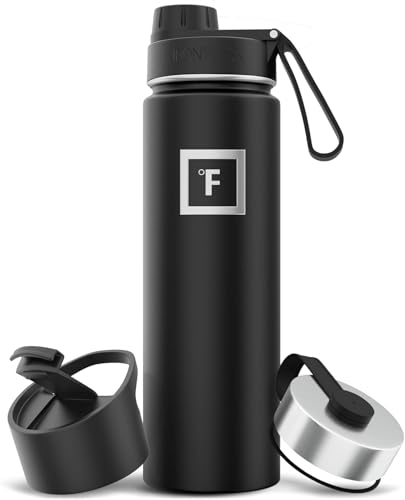
Insulated flasks can differ in shape, opening and lid design rather than falling into one universally useful format. A wider opening may appeal if easy access for filling and cleaning is a priority; a more compact drinking opening may better suit those who prefer a more controlled way to drink. Designs with different lid arrangements can also change how convenient the flask is to use or carry. Check the individual product details, as a particular style or accessory should not be assumed to be included.

Choose for the way you will use it
- For carrying in a bag: Compare external dimensions, filled weight where stated, and the maker’s information about closure and carrying. A claim about leakage should be checked on the specific product.
- For a desk or regular stationary use: Consider whether the opening and lid make drinking convenient where you plan to keep the flask, as well as how it will be cleaned.
- For trips away from a refill point: Capacity and the stated temperature-retention information may be important. Balance a larger volume against the added size and filled weight.
- For straightforward cleaning: Look for clear care instructions and consider whether the opening and lid design suit the way you prefer to clean drinkware.
Common buying mistakes
- Choosing capacity without considering filled weight. A larger flask holds more, but may be less convenient to carry. Check both volume and dimensions.
- Assuming all insulated flasks retain temperature for the same time. Performance claims vary. Use the information for the individual product and note any stated conditions.
- Overlooking the lid. The lid affects access, drinking and carrying. Check its design and any specific closure claims before deciding.
- Judging fit from a product image. Images can make a flask look smaller or larger than expected. Compare the stated dimensions with your bag or storage space.
- Leaving cleaning until after purchase. Check care guidance and consider whether the opening and lid suit your preferred cleaning routine.
Safety and suitability
Hot drinks can cause burns if spilled, so consider whether the flask’s lid and intended use suit the people and setting involved. Check the maker’s guidance for the product, especially where its contents may be hot, and do not assume that a particular lid prevents spills in every circumstance.
Care and storage
Use the product’s own cleaning and care instructions, since suitable methods can vary by flask and lid design. Before buying, check whether the guidance fits your routine and whether any components need separate attention. When not in use, consider whether the flask’s dimensions suit your cupboard or other storage space.
A simple buying process
- Decide where and how you expect to use the flask, and how much drink you want to carry.
- Narrow down a suitable capacity and shape by considering both the stated volume and the space available.
- Compare opening and lid designs for your preferred drinking, carrying and cleaning needs.
- Read product-specific temperature-retention information and consider any stated conditions.
- Check dimensions, materials, care guidance and any claims that matter to your intended use before making a choice.
Buyer checklist
- Does the stated capacity suit the amount you want to carry?
- Will the dimensions fit your bag, usual storage space or intended setting?
- Does the opening suit how you want to fill, drink from and clean the flask?
- Is the lid design convenient, and have you checked any product-specific carrying or leakage claims?
- Are the temperature-retention details relevant to your intended use, including any conditions stated?
- Have you checked the listed materials and care instructions?
Frequently asked questions
What is the difference between an insulated flask and a regular water bottle?
An insulated flask is designed with temperature retention in mind, while a regular water bottle may not be. Product designs and claims vary, so check the individual description to confirm what a particular flask is intended to do.
How do I choose the right capacity?
Consider how much drink you want to carry between refills and where you will keep the flask. Then balance the stated volume against its dimensions and the weight it may have when filled.
Can an insulated flask be used for hot and cold drinks?
Suitability depends on the individual product. Check the maker’s description and care guidance to see which drinks and uses are specified rather than assuming every flask is intended for both.
How can I tell if a flask will fit in my bag?
Compare the stated external dimensions with the space in your bag, including its opening and any compartments you plan to use. If dimensions are not clear, do not rely on a photograph as an exact guide.
What should I check if easy cleaning is important?
Look at the opening and lid design, then read the product’s care instructions. These details can help you judge whether the flask suits your preferred cleaning routine.
Are all insulated flasks leakproof?
No category-wide guarantee should be assumed. Check whether the specific product makes a leakage claim and read any conditions or carrying guidance provided by its maker.
More Insulated Flasks
See all 81 Insulated Flasks →



As an Amazon Associate we earn from qualifying purchases.