

Nut butters are spreads or pastes made from ground nuts, with differences in flavour, texture and ingredients. Choosing one is mainly a matter of what you enjoy, how you plan to use it and what the product label tells you.
Whether you want a spread for toast, an ingredient for cooking or a different texture to try, compare the details on each product rather than assuming all jars are alike.
Compare Nut Butters

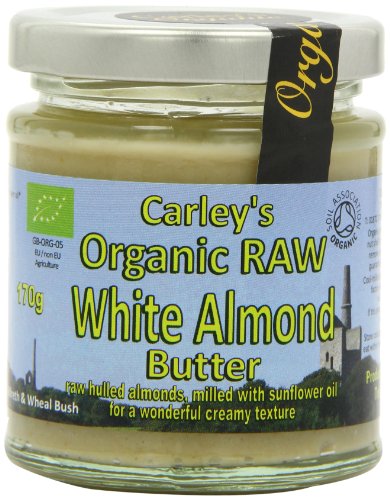


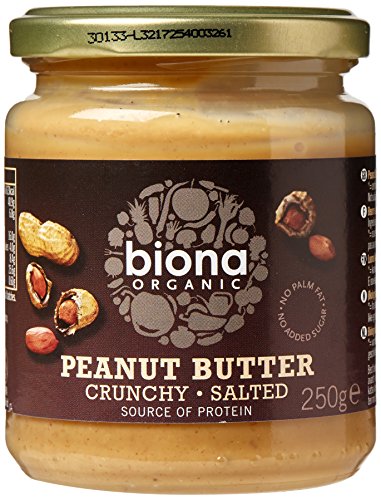
As an Amazon Associate we earn from qualifying purchases.
What should you look for when choosing a nut butter?
Start with the nut or blend and the texture you prefer, then check the full ingredients and allergen information. Consider whether you want a plain product or one with added ingredients, and choose a pack size that makes sense for your expected use and storage space.
The main trade-off is often simplicity versus a particular flavour or texture: fewer ingredients may suit someone looking for a straightforward spread, while additions or a nut blend may offer a different taste. The label is the best guide to what is actually in the jar.
Compare the key buying factors
| Feature | What It Means | Why It Matters | What To Check |
|---|---|---|---|
| Nut type | The nut or combination of nuts used. | Different nuts and blends have distinct flavours. | Read the product name and ingredients to confirm which nuts are included. |
| Texture | For example, smooth or crunchy. | Texture affects how the spread feels and works in different foods. | Look for a clear texture description and consider how you plan to use it. |
| Ingredients | The nuts and any other ingredients in the product. | Recipes can differ even when products have the same main nut. | Read the complete ingredients list, including any added salt, sweeteners or oils. |
| Allergen information | Information about the nuts and other allergens identified on the label. | Important when buying for yourself or sharing food with others. | Check the product’s ingredient and allergen statements; do not rely on the category name alone. |
| Pack size and storage | The amount supplied and the product’s storage directions. | These affect how easily the jar fits your routine and cupboard space. | Compare the stated pack size and follow the storage instructions on the product. |
Choosing a nut butter that suits you
Nut type and flavour
Peanut, almond, cashew and hazelnut are examples of nut types you may encounter, as are blends. Think about the flavour you want in the finished dish: a spread for toast may be chosen for its taste on its own, while a butter for a sauce or baking may need to work alongside other ingredients. Check the product name and ingredients rather than assuming a blend contains particular nuts.
Smooth or crunchy
Smooth nut butter has a more even texture, while crunchy versions include pieces of nut. The choice is personal, but it can also matter in use: a smoother texture may be easier to spread or mix, while pieces add crunch to a topping or snack. Product descriptions can help confirm which texture to expect.
Plain or with added ingredients
Some products contain nuts alone, while others include ingredients such as salt, sweeteners or oils. If you have a preference, compare the full ingredients list rather than relying only on front-of-pack wording. This is also useful when choosing a butter for a recipe where you want to control the other flavours.
Pack size
Consider how often you expect to use the product and where you will keep it. A larger pack is not automatically the better choice if you use nut butter occasionally or have limited storage space. Check the stated quantity and storage directions for the particular product.
Types and variations
- Single-nut butters: Made around one main nut, these can be a straightforward choice when you have a flavour in mind. Check the ingredients, as the name alone does not confirm whether anything else has been added.
- Nut blends: Combine more than one type of nut and may suit someone looking for a mixed flavour. Check which nuts are included, particularly when buying for more than one person.
- Smooth and crunchy styles: These differ mainly in texture. Neither is a universal choice; consider how you prefer to eat or use the spread.
- Products with additional ingredients: These may have a different taste or texture from a plain version. Read the ingredients to see what has been included.
Match the choice to your intended use
| If you want to… | Consider… | Check… |
|---|---|---|
| Spread it on toast or crackers | A flavour and texture you enjoy on their own. | Whether the product is described as smooth or crunchy, and its ingredients. |
| Mix it into a sauce or baking | A texture and taste that suit the other ingredients in your recipe. | The product description and full ingredients list. |
| Add crunch to a topping | A crunchy style, if that texture is what you want. | That the product is explicitly described as crunchy. |
| Buy for a household or share with others | The needs and preferences of everyone who may eat it. | The full allergen information and ingredients on the individual product. |
Common buying mistakes to avoid
- Choosing by the front label alone. A prominent nut name may not tell you everything in the jar. Read the ingredient list to check the recipe.
- Assuming all products have the same texture. Check whether it is smooth or crunchy, especially if you are buying for a particular use.
- Overlooking additions. Compare the ingredients if you want to avoid or choose ingredients such as salt, sweeteners or oils.
- Buying a pack size without considering use. Think about how often you will use it and check the storage directions before settling on a size.
- Assuming a nut butter is suitable for someone with an allergy. Nut type and allergen information need careful checking; the category name is not a guarantee of suitability.
Safety and suitability
Nut butters contain nuts, and products may also identify other allergens or cross-contact information on their labels. If you or someone eating the product has an allergy, do not assume it is suitable: check the full product information and seek clarification from the manufacturer if it is unclear. When buying for a group, make sure the information is checked for the specific jar rather than relying on a general description.
Storage and everyday use
Follow the storage and use instructions on the product label, as directions can differ between products. Check whether the label gives instructions for after opening, and make sure the jar can be stored in a suitable place in your kitchen. Some nut butters may separate; check the product information for guidance rather than assuming every product should be handled in the same way.
A simple buying process
- Decide how you plan to use the nut butter and what flavour you prefer.
- Choose whether you want a single-nut product or a blend, and whether smooth or crunchy texture suits your use.
- Compare the full ingredients and allergen information.
- Check the pack size and storage directions against your routine and available space.
- Review the individual product page for any details you need to confirm before choosing.
Buyer checklist
- Does the nut type or blend match your preference?
- Have you checked whether the texture is smooth or crunchy?
- Do the full ingredients match what you are looking for?
- Have you read the allergen information for the specific product?
- Is the pack size practical for your expected use and storage space?
- Have you checked the product’s storage directions?
FAQs
What is the difference between smooth and crunchy nut butter?
Smooth nut butter has a more even texture, while crunchy nut butter contains pieces of nut. Choose based on the texture you enjoy and how you plan to use it. Check the product description to confirm the style.
Are nut butters made from only nuts?
Some products may contain only nuts, while others can include additional ingredients. The product name is not a substitute for checking the full ingredients list.
How can I check which nuts are in a blend?
Read the ingredients list and product description for the specific item. Do not assume which nuts are included from a general description such as “mixed” or “blend”.
What should I check if a nut butter has separated?
Check the product’s label or product information for guidance, as handling directions can vary. Do not assume that all nut butters should be treated identically.
How should I store nut butter after opening?
Follow the storage instructions on the individual product, including any directions for after opening. If the information is not clear, check with the manufacturer before relying on a general rule.
More Nut Butters
See all 72 Nut Butters →
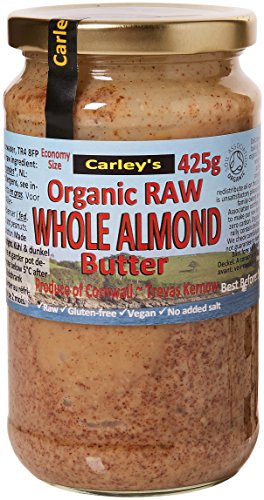


As an Amazon Associate we earn from qualifying purchases.