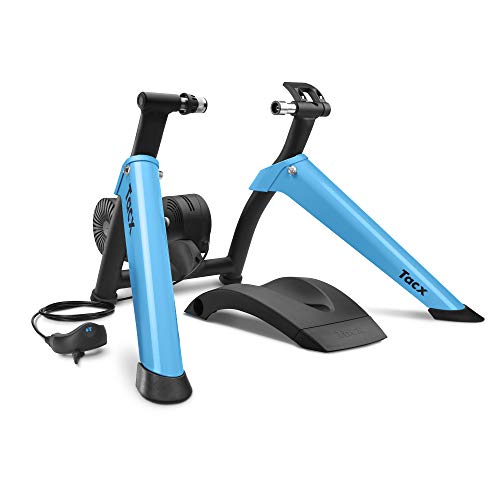

Turbo Trainers
Turbo trainers let you ride a bicycle indoors, making them an option for indoor cycling when outdoor riding is not practical. When comparing models, check how the trainer connects to your bike, which wheel or axle standards it supports and whether its resistance can be adjusted to suit your preferences. Consider the space needed for setup and storage, too. Product details can help you confirm compatibility before choosing a trainer for your particular bicycle.
Understand the main trainer designs
Turbo trainers hold a bicycle in place for indoor riding. Common arrangements include wheel-on trainers, which make contact with the bike’s rear tyre, and direct-drive trainers, which are used with the rear wheel removed. These designs differ in how the bicycle is fitted and set up, so check the product information and your bike’s requirements before deciding which approach suits you.
Resistance is another point to compare. Trainers may use different methods to create resistance, and the way it is adjusted can vary. Check the listing to see what controls are included and whether resistance is changed manually or through a compatible device. Do not assume that a trainer connects to a particular computer, cycling app or sensor: confirm the specific compatibility and any equipment needed.
Check bike compatibility and setup
Compatibility is specific to the trainer and bicycle. Review the supported wheel and axle arrangements, the bike’s drivetrain requirements where relevant, and any stated fit limits. If the information is unclear, check the manufacturer’s guidance for the exact bike and trainer models before purchase. This is particularly useful when comparing a wheel-on setup with one that requires removing the rear wheel.
Think about where you will ride indoors and where the equipment will be kept afterwards. Compare the trainer’s assembled footprint, setup process and storage requirements with the space available. If noise matters in your home, look for product information about operating noise rather than assuming one design will be quieter. Check whether any separately required accessories are specified, and confirm that the product details match your intended setup.
Compare the details that matter to you
Use the product information to compare fitting method, resistance adjustment, connectivity and practical setup requirements. Focus on features that suit your bicycle, available space and preferred way of riding indoors, rather than assuming every turbo trainer offers the same functions. Individual product pages are the place to check current specifications and compatibility details.
Buyers guideHow to choose Turbo TrainersTrainer type · Bike fit and compatibility · Resistance control · Noise and floor contact
- Trainer typeIt affects setup, riding feel and how much the bike needs to be changed for indoor use
- Bike fit and compatibilityA trainer must suit the bicycle you intend to use
- Resistance controlThe control method affects how you change effort and whether connected features are relevant to you
- Noise and floor contactThis can matter in shared homes or where indoor riding takes place near other people
Showing 1–12 of 17 results
-
Turbo Trainers
CYCPLUS R200 Indoor Bicycle Trainer, 2200 W, 19% Gradient Simulation
£254.15 View on Amazon -
Turbo Trainers
Elite Novo Force Indoor Turbo Trainer, 8-Level Magnetic Resistance
£105.99 View on Amazon -
Turbo Trainers
Garmin Tacx Boost Indoor Bike Trainer with Speed Sensor Bundle
£169.99 View on Amazon -
Turbo Trainers
SPORTANA Turbo Trainer, 6-Level Magnetic Resistance, 26-28 Inch Wheels
£58.08 View on Amazon -
Turbo Trainers
Sportneer Blue Magnetic Turbo Trainer for 26–28 Inch and 700C Wheels
£72.67 View on Amazon -
Turbo Trainers
Sportneer Turbo Trainer Indoor Bike Stand, 6 Resistance Settings, Red
£72.67 View on Amazon