

A soup maker is a kitchen appliance designed to prepare soup, often combining heating and blending in one jug. Designs and functions differ, so the best choice depends on how much you want to make at once and how much control you want over the result.
Before comparing models, think about who you cook for, where the appliance will live and how you prefer to prepare food. Capacity, controls and cleaning can matter more in everyday use than a long list of programmes.
Compare Soup Makers


As an Amazon Associate we earn from qualifying purchases.
What should you look for in a soup maker?
Start with the amount you typically want to prepare and the usable capacity stated for the model. Then compare the available controls and texture options with how you like your soup. Check the dimensions, cleaning guidance and any stated limits on ingredients or use before deciding.
Soup maker features compared
| Feature | What it means | Why it matters | What to check |
|---|---|---|---|
| Usable capacity | The amount the appliance is intended to prepare in one batch. | It affects whether a batch suits a single meal, several portions or your usual cooking routine. | Check the stated usable capacity and whether it is expressed as a volume or number of portions. |
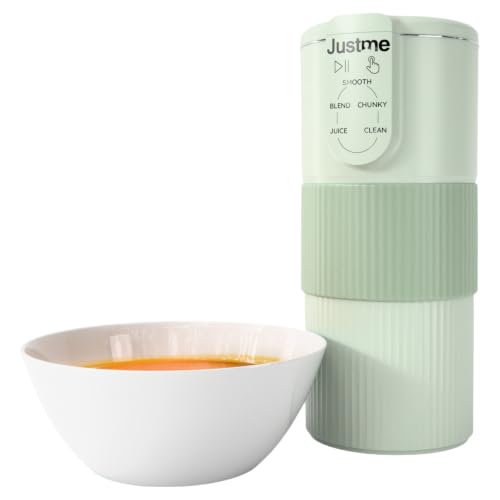
| Controls and programmes | How you select or adjust the appliance’s functions. | Preset options may make common tasks more straightforward; adjustable controls may offer more choice where provided. | Read what each control or programme is designed to do rather than relying on its name alone. |
| Texture options | Whether the product describes settings or controls for different soup textures. | Your preferred consistency may determine which options are useful to you. | Look for clear information about the available texture choices and how they are selected. |
| Cleaning | The care required for the jug, lid, blade and other components. | Cleaning can affect how convenient the appliance is to use regularly. | Check which parts are removable and the manufacturer’s cleaning instructions; do not assume components are dishwasher-safe. |
| Size and storage | The appliance’s external dimensions and how it fits your kitchen. | A larger appliance may take up more counter or cupboard space, even if its capacity suits your needs. | Compare the stated dimensions with your available space, including room to store it safely. |
| Heating and blending functions | The functions the particular model provides, which may be combined in one appliance. | It helps establish whether the product matches the way you plan to prepare soup. | Check the individual product description for its stated functions and any use restrictions. |
Choosing the features that matter
Capacity and batch size
Choose capacity around the amount you normally prepare, rather than assuming a larger jug is automatically more useful. A smaller stated usable capacity may suit occasional or smaller batches, while a larger one may better match cooking for several people. Check the usable amount, since the jug’s overall dimensions do not necessarily tell you how much it is intended to hold for a cycle.
Controls and texture
Soup makers may differ in how they handle heating and blending, and in whether they offer preset or adjustable controls. Decide whether you would rather select a straightforward programme or have more say over the process, where those choices are offered. If you care about a particular texture, verify that the product information describes a relevant setting; programme names alone may not explain the result.
Functions and versatility
Some models are described as combining heating and blending, but do not assume every soup maker has the same functions. If you want to use an appliance for anything beyond soup, check that this is explicitly supported and that the instructions cover the ingredients and tasks you have in mind. Extra functions are only useful if they fit your cooking habits and are clearly explained.
Dimensions, handling and storage
Compare the stated height, width and depth with your worktop or cupboard space. Consider whether you can comfortably handle the jug when full and where you will place the appliance while it is in use. A compact footprint may be useful in a smaller kitchen, but it should still provide a capacity that suits your usual batches.
Cleaning and product information
Look for clear guidance on cleaning the jug, blade and lid, including which parts can be removed and how they should be cared for. A design that is harder to clean may be less convenient if you plan to use it often. Specifications vary by model, so always check the individual product page before buying.
Types and control styles
The main distinction to check is how a particular model combines its functions and controls, rather than assuming there is one standard set of soup maker types. A model with preset programmes may suit someone who wants to select from defined options. Where a product offers manual or adjustable controls, those may appeal to a buyer who wants more input, but check what can actually be adjusted. In either case, confirm the stated heating, blending and texture functions on the individual product page.
Choosing for your kitchen and routine
- For smaller batches: prioritise a clearly stated usable capacity that matches what you expect to make, and check any minimum or maximum limits in the product information.
- For shared meals: compare usable capacity with the number of portions you usually need, rather than relying on a broad description such as family-sized.
- For limited storage: check the appliance’s full dimensions and consider where it will be stored between uses.
- For a preferred texture: look for specific, clearly described texture settings or controls; do not infer them from a model name.
- For straightforward use: compare the listed controls and programme descriptions to find an interface that makes sense to you.
Common soup maker buying mistakes
- Choosing by jug size alone: the external jug size may not represent the usable amount for a batch. Check the stated capacity and any limits.
- Assuming all models have the same functions: heating, blending and programme options can vary. Confirm the functions you need on the individual product page.
- Expecting a specific texture without checking: descriptions and controls differ. Look for an explicit explanation of the available texture options.
- Overlooking cleaning details: do not assume every part is removable or suitable for a particular cleaning method. Read the care information before buying.
- Ignoring storage space: compare the appliance dimensions with your kitchen, not just its stated capacity.
Safety and suitability
Choose a model intended for the ingredients and tasks you plan to use, and follow its supplied instructions and stated limits. Soup makers may involve hot contents and electrical components, so consider whether the design and handling requirements suit the people who will use it. Check the manufacturer’s guidance for any questions about appropriate use or cleaning.
Ownership, cleaning and storage
Cleaning requirements differ between models, so check the instructions for the jug, lid, blade and any removable parts before buying. Do not assume a component is dishwasher-safe or that the jug can be immersed. Also consider where the appliance will be stored and whether its dimensions and handling suit your kitchen. If the product has replaceable or separately supplied parts, check what is included and how the manufacturer describes them.
A practical buying process
- Decide how much soup you usually want to prepare in one batch.
- Measure the space where you expect to use or store the appliance.
- Choose the controls and texture options that match your preferences.
- Compare stated functions, cleaning guidance and any use limits.
- Read the individual product information to confirm dimensions, capacity and included components before buying.
Soup maker buyer checklist
- Does the stated usable capacity suit your usual batch size?
- Are the controls and programme descriptions clear to you?
- Does the product explicitly offer the functions and texture options you want?
- Will its dimensions fit your worktop and storage space?
- Are the cleaning instructions and care requirements manageable for you?
- Have you checked the product information for stated limits and included components?
Soup maker FAQs
What does a soup maker do?
A soup maker is designed to prepare soup, and many models combine heating and blending. Functions vary, so check the product details to confirm what a particular model does.
How do I choose the right capacity?
Consider how much you usually want to make in one batch, then compare that with the model’s stated usable capacity. Check any minimum or maximum amounts in its product information as well.
Can soup makers make different textures?
That depends on the model and its listed controls or programmes. If a particular texture matters to you, look for a clear description of the relevant setting rather than assuming it is included.
Are soup maker parts dishwasher-safe?
Cleaning guidance varies by model and component. Check the manufacturer’s instructions for each part; do not assume that removable parts or the jug can go in a dishwasher.
Can a soup maker be used for other foods?
Some products may describe additional functions, while others may be intended for a narrower range of tasks. Check the individual product information and instructions before using a model for anything beyond its stated purpose.
What should I check before buying a soup maker?
Compare usable capacity, dimensions, controls, stated functions and cleaning requirements. Also read any stated use limits and confirm the product suits the space and cooking routine you have in mind.
More Soup Makers
See all 30 Soup Makers →



As an Amazon Associate we earn from qualifying purchases.