


Table of contents
- Understanding Macronutrients: Carbs, Proteins & Fats Explained
- Carbohydrates: The Body’s Primary Fuel Source
- Types Of Carbohydrates
- Top 5 Sources of Carbohydrates
- Proteins: The Building Blocks of Life
- Top 5 Sources of Protein
- The Essential Role of Fats
- Top 5 Sources of Healthy Fats
- Balancing Your Macronutrients
- Common Myths and Misconceptions
- Understanding Macronutrients: Taking the Next Step
Understanding Macronutrients: Carbs, Proteins & Fats Explained

When it comes to proper nutrition, understanding macronutrients is key to achieving balanced health. Macronutrients – often abbreviated as macros – consist of carbohydrates, proteins, and fats. Each of these plays a unique role in the body, supporting everything from energy production to muscle growth and hormone regulation. Whether your goal is weight loss, muscle gain, or improved overall health, knowing how macronutrients function will help you optimise your diet.
Why Are Macronutrients Important?
Unlike micronutrients (vitamins and minerals), which are needed in small amounts, macronutrients provide the bulk of the body’s energy. Without them, your body wouldn’t be able to perform basic functions such as breathing, thinking, or moving. They contribute to growth, repair, immune function, and overall metabolic activity. Simply put, your body thrives when you strike the right balance of these essential nutrients.
Carbohydrates: The Body’s Primary Fuel Source

Carbohydrates (Carbs) come from the words “carbon” and “hydrate,” which reflects how they’re formed by carbon and water. They’re your body’s main energy source, breaking down into glucose that fuels cells throughout the day. Carbohydrates often get a bad reputation, particularly in low-carb diets. However, they are the body’s preferred source of energy and play a critical role in physical and mental performance.
Types Of Carbohydrates
Carbohydrates can be classified into two types:
Simple Carbohydrates
These consist of one or two sugar molecules and are quickly absorbed by the body. Examples include table sugar, fruit juice, and sweets.
| Simple Carbohydrate Type | Role |
|---|---|
| Monosaccharides Glucose (in honey) Fructose (in fruits) | Fast Energy Boost: Quick to absorb, providing immediate fuel. |
| Disaccharides Sucrose (table sugar) Lactose (milk sugar) | Quick Energy: Break down faster than complex carbs. |

Complex Carbohydrates
Composed of long chains of sugar molecules, these carbs provide sustained energy. Examples include whole grains, legumes, and vegetables.
| Complex Carbohydrate Type | Role |
|---|---|
| Starches (Complex) Oats Potatoes (including sweet potatoes) | Sustained Fuel: Digested more slowly, keeping energy stable. |
| Fibre (Complex) Lentils Wheat Bran Apples | Digestive Support: Aids gut health and promotes regularity. |

Summary Of Carb Roles
- Immediate Energy: Simple carbs (monosaccharides, disaccharides) give a quick energy boost but can cause spikes in blood sugar.
- Steady Fuel: Complex carbs (starches) are digested at a slower rate, providing sustained energy.
- Digestive and Metabolic Support: Fibre (a form of complex carb) is crucial for gut health, steady glucose levels, and prolonged satiety.
Balancing these carbohydrate types – and pairing them with protein and healthy fats – helps you maintain stable energy, control hunger, and meet your body’s diverse needs.
Top 5 Sources of Carbohydrates
Here are the top 5 sources of carbohydrate and their key benefits:
1. Oats
Oats are a complex carbohydrate loaded with fibre, which helps stabilise blood sugar levels and supports gut health. Beta-glucan, a type of soluble fibre found in oats, is known for lowering cholesterol.

2. Sweet Potatoes
A nutrient-dense option rich in vitamins A and C, sweet potatoes offer slow-releasing carbs that provide sustained energy, making them perfect for workouts.

3. Lentils
High in both protein and fibre, lentils offer a dual benefit of energy and satiety. They also provide iron, which is essential for oxygen transport in the body.

4. Berries
Berries like blueberries and raspberries are packed with antioxidants and fibre. Although they are simple carbs, their high fibre content prevents rapid sugar spikes.

5. Quinoa
Known as a complete protein source, quinoa is also rich in carbohydrates and essential minerals like magnesium, which supports muscle function and energy production.

Proteins: The Building Blocks of Life

Protein traces its name back to a Greek word meaning “of prime importance,” and for good reason. Though people often associate protein with muscle growth, it is critical for building and repairing tissues, making enzymes, and supporting immune function. Without enough protein, your body would struggle to maintain muscle mass and perform everyday functions.
Why Protein Is Essential

Proteins are made up of amino acids, nine of which are essential (meaning they must come from the diet). Protein supports muscle growth, repair, and cellular processes, including hormone production and immune defence.
Types of Protein
| Type of Protein | Examples | Role / Key Benefit |
|---|---|---|
| Lean Animal-Based (Complete) | Chicken Breast Turkey | Muscle Repair & Growth: High-quality essential amino acids support tissue repair. Lower in Fat: Helps control calorie intake and reduce saturated fat consumption. |
| Fatty Animal-Based (Complete) | Salmon Mackerel | Omega-3 Boost: Anti-inflammatory fats benefit heart and brain health. Rich in Amino Acids: Encourages muscle maintenance and growth. |
| Plant-Based (Complete) | Tofu Quinoa | Full Amino Acid Profile: Supplies all essential amino acids, rare among plant sources. Flexible for Diets: Suitable for vegetarians and vegans. |
| Plant-Based (Incomplete) | Lentils Chickpeas | High Fibre: Aids satiety and stabilises blood sugar. Versatile in Meals: Combine with grains or nuts to form a complete protein. |
Top 5 Sources of Protein
Here are the top 4 sources of protein and their key benefits:
1. Greek Yoghurt
Packed with probiotics and protein, Greek yoghurt aids digestion while promoting muscle repair due to its high casein content.

2. Chicken Breast
A lean protein source that’s low in fat and high in essential amino acids. Ideal for muscle growth and recovery.

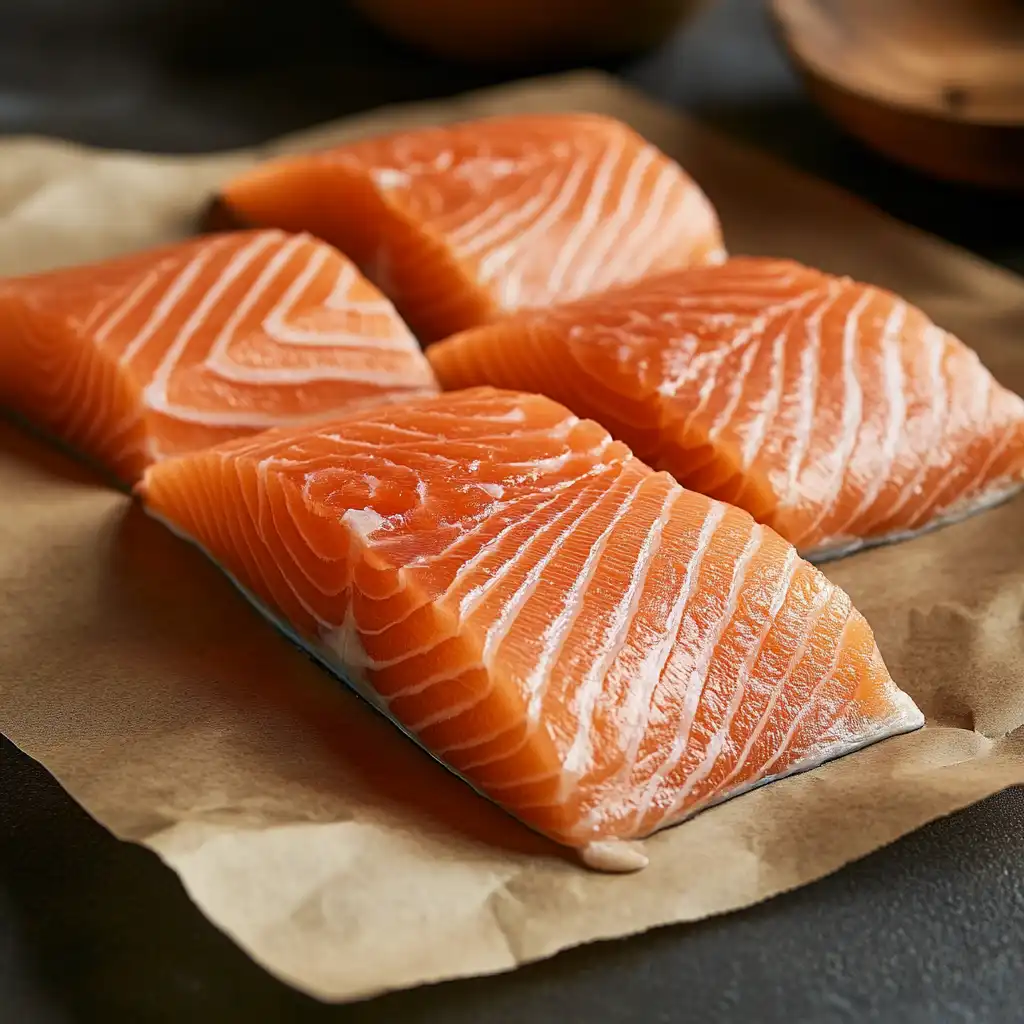
3. Salmon
Rich in omega-3 fatty acids and high-quality protein, salmon promotes heart health while supporting muscle repair and brain function.
4. Tofu
A versatile plant-based protein, tofu contains all nine essential amino acids. It’s also rich in calcium, making it great for bone health.

5. Eggs
An affordable and highly bioavailable protein source, eggs provide essential amino acids, choline for brain health, and vitamin D for bone strength.

Finding the Right Protein Balance
There’s no universal rule that says everyone needs huge amounts of protein. I often aim for a variety of proteins throughout the week. On Monday, I might cook lean turkey. On Tuesday, I may add chickpeas to salads or soups. Listening to your body helps you sense if you need more protein for sustained energy.
The Essential Role of Fats

Fats have a bad reputation in some circles due to the name. In reality, they’re vital for hormone production, nutrient absorption, and brain function. The crucial part is choosing the right kind. Healthy fats from avocados, nuts, seeds, and oily fish can improve heart health and keep you satisfied. Meanwhile, trans fats or excess saturated fats from ultra – processed foods can raise health risks over time.
Types Of Fat
| Type of Fat | Examples | Key Benefits/Role |
|---|---|---|
| Monounsaturated (Unsaturated) | – Olive Oil – Avocados | Heart-Healthy: Can help reduce bad cholesterol (LDL) levels. Nutrient Absorption: Assists in absorbing fat-soluble vitamins (A, D, E, K). |
| Polyunsaturated (Unsaturated) | – Salmon (Omega-3) – Walnuts | Inflammation Control: Omega-3s may lower inflammation and boost brain health. Essential Fats: Body cannot produce these on its own. |
| Saturated Fats | – Butter – Cheese | Energy Source: Dense source of energy. Moderation Required: Excessive intake linked to higher cholesterol and heart risk. |
| Trans Fats (Partially Hydrogenated Oils) | – Some Fried Foods – Processed Snacks | Avoid or Limit: Can raise bad cholesterol (LDL) and lower good cholesterol (HDL). Harmful Effects: Strongly associated with heart disease. |
Top 5 Sources of Healthy Fats
Here are the top 5 sources of healthy fats and their benefits:
1. Avocados
Rich in monounsaturated fats, avocados support heart health and provide potassium, an electrolyte essential for muscle function.

2. Almonds
A great source of vitamin E and healthy fats, almonds improve skin health and provide sustained energy throughout the day.

3. Salmon
No wonder it’s a superfood. Not only a great source of protein, but salmon is also packed with omega-3 fatty acids, which reduce inflammation and support brain health.

4. Extra Virgin Olive Oil
Known for its anti-inflammatory properties, this oil is high in monounsaturated fats and antioxidants, promoting cardiovascular health.

5. Chia Seeds
Packed with omega-3 fatty acids, fibre, and antioxidants, chia seeds are excellent for digestive health and reducing inflammation.

Summary of Fat Roles
- Hormone Regulation: Fats are vital for producing hormones that govern metabolism, growth, and stress responses.
- Vitamin Absorption: Many essential vitamins (A, D, E, K) need dietary fat to be absorbed effectively.
- Insulation and Protection: Fats cushion internal organs and help maintain body temperature.
- Satiety and Flavour: A moderate amount of healthy fats can keep you feeling fuller for longer and enhance the taste of foods.
Choosing the right types of fats in sensible portions can support heart health, hormone balance, and overall well-being.
Fats and Vitamins
Some vitamins (A, D, E, and K) are fat-soluble. This means your body needs a bit of fat to absorb them. That’s why a salad topped with healthy dressing can be more beneficial than plain lettuce. A tiny splash of olive oil goes a long way in boosting nutrient intake.
Balancing Your Macronutrients

The right macronutrient balance depends on your individual goals, activity level, and health status. Common guidelines suggest:
- Carbs: 45-65% of daily caloric intake
- Protein: 10-35% of daily caloric intake
- Fats: 20-35% of daily caloric intake
Athletes or those aiming to build muscle may require higher protein intake, while individuals on a ketogenic diet will prioritise fats over carbohydrates. Monitoring your macronutrient ratios can help with weight management and athletic performance.
How to Calculate Your Daily Macronutrient Needs
Calculating your macronutrient needs begins with determining your daily caloric requirement, which can be estimated using your Basal Metabolic Rate (BMR) and activity level. Tools such as online macro calculators can simplify this process.
A simple starting point for most adults:
- Carbs: 4 calories per gram
- Protein: 4 calories per gram
- Fats: 9 calories per gram
Example: If your daily intake is 2,000 calories, a 50-30-20 split (carbs, protein, fat) would mean:
- 1,000 calories from carbs (250g)
- 600 calories from protein (150g)
- 400 calories from fat (44g)
The Power of Meal Composition

Let’s say you have chicken breast, steamed vegetables, and a portion of brown rice. That plate contains protein from the chicken, complex carbs from the rice, and some micronutrients from the veggies. But where’s the healthy fat? You might drizzle a bit of olive oil or add a few avocado slices. Simple tweaks like these can elevate your meal from decent to delightful.
Common Myths and Misconceptions

Stroll through social media, and you’ll see extremes everywhere. One influencer swears by zero carbs, while another claims you need endless amounts of protein. For years, many believed all fats should be avoided, but that left people hungrier and missing crucial nutrients.
Myth 1: Carbs Make You Fat
Eating more calories than your body uses leads to weight gain, not carbs alone. Yes, refined sugars might cause spikes in cravings. Yet complex carbs, such as whole grains, can support weight management by keeping you satisfied.

Myth 2: Protein Is Only for Bodybuilders
Your body depends on protein for basic repairs. You don’t have to lift heavy weights to benefit from it. If you want to maintain lean mass or just stay strong, protein is essential.

Myth 3: All Fat Is Unhealthy
Some fats clog arteries, but others do the opposite. Nuts, seeds, and fish can provide heart-friendly fats that enhance brain function too.

Frequently Asked Questions (FAQs)
Further Reading
- British Nutrition Foundation: Macronutrients Explained
- Harvard T.H. Chan School of Public Health on Healthy Eating
- National Institutes of Health: Macronutrient Guidelines
Understanding Macronutrients: Taking the Next Step
You don’t have to overhaul your life in one day. Small, consistent changes set you up for lasting results.
Feeling overwhelmed? That’s normal in a world loaded with dietary contradictions. My ambition with www.dietsuk.co.uk is to remove the guesswork by offering articles and advice you can trust. Nothing makes me happier than hearing someone say, “I tried your tips, and I feel fantastic.” That drives me to keep exploring, keep learning, and keep sharing.
Your Next Read
Ready to level up your diet or just curious about the basics? Dive into our What Are Calories? The Science Behind Energy Balance post. It’s a perfect follow-up if you want a deeper grasp of how your body uses energy—no contradictions, just clarity.


 By
By


 Alaina4502 says:
  Curtis1507 says:
  Ryder1225 says:
  Garrett3508 says:
  Amy2766 says:
  Alistair2366 says:
  Audrey129 says:
  Ruth4430 says:
  Luca89 says:
  Willow3541 says:
  Weston4116 says:
  Edith3487 says:
  Eddie49 says:
  Harlan1838 says:
  sr07gamec says:


