

An exercise bike can be a practical choice for indoor cycling, but the right style depends on how you plan to use it and what will fit comfortably in your home. Upright, recumbent and indoor-cycling designs differ in riding position and layout, while features such as adjustability, resistance controls and storage can vary between models.
Start with the space you have and the riding position you prefer. Then compare how the bike can be adjusted, how resistance is changed and whether its stated user limits and any power requirements suit your needs.
Compare Exercise Bikes


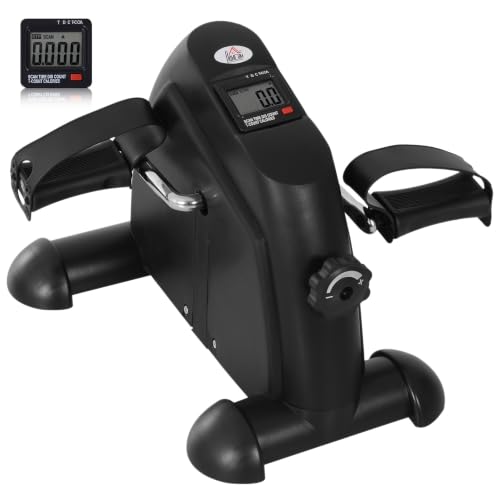


As an Amazon Associate we earn from qualifying purchases.
Which exercise bike should you choose?
Choose a style that offers a comfortable riding position and fits the space where you intend to use it. Check that the seat and handlebars can be adjusted to suit the people who will use the bike. Compare resistance controls, display and power requirements only where those features matter to you. A compact or folding design may be easier to store, but confirm its dimensions and how it is intended to be moved.
Exercise bike features compared
| Feature | What it means | Why it matters | What to check |
|---|---|---|---|
| Bike style | The riding position and overall layout, such as upright, recumbent or indoor-cycling style. | It affects how the bike feels to use and how it fits your preferences and room. | Look at the frame design and seat position shown in the product information. |
| Adjustability | Whether the seat, handlebars or other contact points can be repositioned. | A suitable range of adjustment can help different users find a comfortable setup. | Check which parts adjust and how the product page describes the adjustment. |
| Resistance control | How pedalling resistance is changed, if the model offers adjustable resistance. | Controls differ in how they are operated and may affect how you prefer to ride. | Check the control method and any stated resistance information; do not assume all models offer the same settings. |
| Footprint and storage | The space the bike occupies and whether it has a stated folding or moving feature. | A bike needs to fit both its intended use area and any planned storage space. | Compare product dimensions with your available space, including room to get on and off. |
| Display and power | Some models include a display or have power requirements; arrangements vary. | These details affect whether the bike suits your preferred setup and the place you plan to use it. | Check what the display shows, how it is powered and whether any power supply is specified. |
| User limit and assembly | Product-specific information about maximum user weight and assembly. | These are important suitability and practical considerations. | Check the stated user limit and assembly information for the individual model. |
What to consider before buying
Riding position and bike style
Think about whether you prefer a more upright position, a reclined seat with back support, or a riding position closer to an indoor cycling bike. These layouts are not interchangeable, and personal comfort can be as important as the bike’s other features. Use product images and descriptions to understand the layout, rather than relying on a style name alone.
Fit and adjustability
Check whether the seat can be moved in the directions you need and whether the handlebars offer adjustment. If several people may use the bike, compare the adjustment information with each person’s requirements rather than assuming one setting will suit everyone. Also look at how the seat and handlebars are positioned relative to each other.
Resistance and controls
Resistance controls can differ between bikes, including how they are adjusted and what information is given about them. Decide whether you prefer straightforward manual controls or a model with additional controls or a display. Specifications vary by model, so always check the individual product page before buying.
Space, access and moving the bike
Measure the area where the bike will be used, not just the space available for storage. Leave room to approach the bike and get on and off comfortably. Check product dimensions and any stated folding or moving features; a folding design does not necessarily mean a bike will fit every cupboard or be easy for every person to move.
Display, connectivity and power
Decide whether you want a display and, if so, what information you would find useful. The information shown and any connectivity or power arrangements depend on the model. Check the product details rather than assuming that a display, a particular measurement or a specific power source is included.
Common exercise bike types
- Upright bikes: Have a conventional upright riding position. They may suit buyers who prefer this familiar layout; check seat and handlebar adjustment and whether the position feels right for you.
- Recumbent bikes: Use a reclined riding position and a seat positioned behind the pedals. This layout may appeal to people who prefer that arrangement, but it takes a different amount and shape of floor space from an upright design.
- Indoor-cycling bikes: Typically have a riding position and frame design associated with indoor cycling. Compare the adjustment, controls and dimensions carefully, as the style name alone does not establish a particular feature set.
Names and features can overlap across product descriptions, so use the stated design and product details to make the comparison.
Choosing for your needs
If the bike will be shared, prioritise clear adjustment information and check that the stated user limit suits every intended user. For a smaller room, compare the full dimensions and any stated storage features before focusing on compact appearance. If you already know which riding position you prefer, use that to narrow the style first, then compare controls and other features within the options that remain.
For a replacement or upgrade, note which aspects of your current bike you want to keep or change, such as the riding position, display or storage arrangement. Avoid paying attention to a feature simply because it is prominent in a product description; check whether it answers a real need for your use.
Common buying mistakes
- Choosing by style name alone: Similar labels do not guarantee the same layout or adjustment. Check the product images and stated features.
- Measuring only the bike’s footprint: The bike also needs practical space around it. Consider access and the area needed to use it.
- Assuming every bike has the same resistance or display features: These vary. Confirm the details for the individual model.
- Overlooking the user limit: Check the stated maximum user weight rather than assuming it is the same across bikes.
- Buying a folding model without checking storage dimensions: Confirm the size and any stated folding information, and consider how it will be moved.
Safety and suitability
Choose a bike intended for your use and check its stated user limit, assembly information and suitability details before buying. If you have a health condition, are pregnant or take medication and are considering starting new exercise, speak to a GP or pharmacist first.
Ownership, care and storage
Before choosing, consider where the bike will live and whether it needs to be moved after use. Check whether the product information describes folding, transport or power requirements, and follow the supplied care and assembly guidance for the specific model. Do not assume every bike has the same storage, cleaning or maintenance needs.
A practical buying process
- Decide where you will use the bike and measure the available space, including room for access.
- Choose the riding position that best matches your preference.
- Compare adjustment, resistance controls and any display or power details that matter to you.
- Check the stated dimensions, user limit, assembly information and storage features.
- Review the individual product page to confirm the details before making your choice.
Exercise bike buyer checklist
- Does the bike style match your preferred riding position?
- Can the seat and, where relevant, handlebars be adjusted as needed?
- Have you checked the resistance controls and display details?
- Will the bike fit in the use area, with room to get on and off?
- Are any folding, moving and power requirements suitable for your setup?
- Have you checked the stated user limit and assembly information?
Frequently asked questions
What is the difference between an upright and a recumbent exercise bike?
An upright bike has a more upright riding position, while a recumbent bike places the rider in a reclined position with the seat behind the pedals. The layouts also differ in their floor-space requirements. Check the product dimensions and images to see which arrangement suits your room and preference.
Are indoor-cycling bikes the same as upright exercise bikes?
They are both stationary cycling options, but their frame and riding-position designs can differ. Product names do not confirm a precise set of features, so compare the position, adjustment and controls described for each model.
What should I measure before buying an exercise bike?
Check the bike’s stated dimensions against the intended use area and storage space. Allow for access to the bike as well as its footprint, and consider whether a folding or moving feature is described if you plan to store it elsewhere.
Do exercise bikes need to be plugged in?
Power arrangements vary by model. Check the product information to see whether a power source is specified and whether the display or other features have separate requirements.
How do I choose an exercise bike for more than one person?
Compare the adjustment options and the stated user limit with the needs of everyone who will use it. If possible, consider whether the described seat and handlebar positions can accommodate the different preferences and requirements.
What should I check about assembly?
Review the individual product information for assembly details and any stated requirements. The information may differ by model, so do not assume that two bikes with a similar design need the same assembly.
More Exercise Bikes
See all 72 Exercise Bikes →
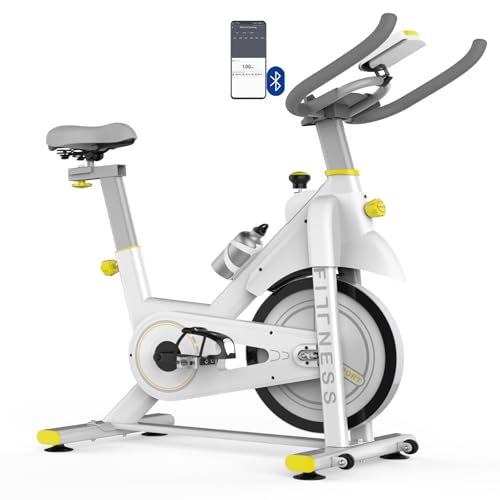


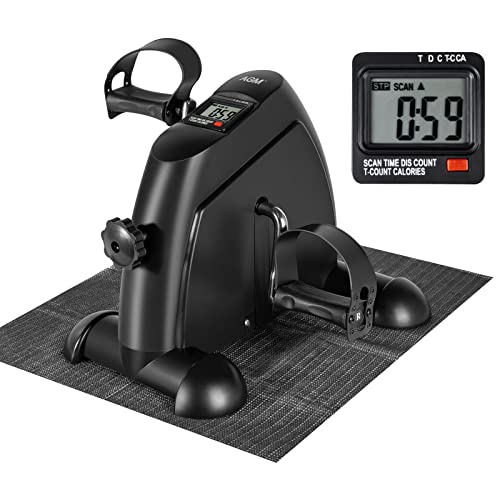

As an Amazon Associate we earn from qualifying purchases.