

A rowing machine is a home exercise machine built around a repeated pulling movement, usually involving a handle, seat and foot supports. The right choice depends on how it fits your space, which resistance feel you prefer and how easy it is to use and store.
Start with your available floor space and the people who will use it. Then compare resistance type, adjustability, maximum user weight and the details of the console or storage design, checking each point on the individual product page.
Compare Rowing Machines


As an Amazon Associate we earn from qualifying purchases.
Which rowing machine should you choose?
Choose a machine that fits your available space and suits the people who will use it, then narrow the options by resistance type and comfort. Air, magnetic, water and hydraulic systems can feel and sound different, so consider the setting where you plan to use the machine. Check the complete operating footprint as well as any folded or stored dimensions. Specifications vary by model, so always check the individual product page before buying.
Compare the main buying factors
| Feature | What it means | Why it matters | What to check |
|---|---|---|---|
| Resistance system | The mechanism that provides resistance during the rowing movement. | Systems can differ in feel, sound and how resistance is adjusted. | System type, adjustment method and any details about noise or maintenance. |
| Size and storage | The space needed in use and, where applicable, when stored. | A machine that does not fit the room comfortably may be difficult to use or put away. | Length, width, height, storage dimensions and whether storage is built into that model’s design. |
| Fit and adjustability | How the seat, foot supports and handle suit the user. | Different users may need different adjustments and room for movement. | Adjustment options, rail travel and the manufacturer’s stated user guidance. |
| Maximum user weight | The maximum user weight stated for the machine. | It is a key suitability check for everyone who may use it. | The stated limit on the product page and whether it suits all intended users. |
| Console and power | The display and any power source needed for its functions. | Display features and power requirements vary, and may affect where the machine can be placed. | What the console shows, how it is powered and whether any features are optional. |
What to consider before buying
Resistance and sound
Resistance systems influence the character of the rowing movement. Air systems use a fan and may produce noticeable airflow sound; magnetic systems use magnetic resistance and are often chosen by buyers looking for a quieter feel. Water systems use a water-filled tank and can make water sounds. Hydraulic designs use cylinders and may have a different stroke feel from rail-based designs. These are general tendencies, not guarantees: construction, adjustment and sound vary between machines. If noise matters in your home, look for product-specific information rather than assuming a system will be silent.
Room, clearance and storage
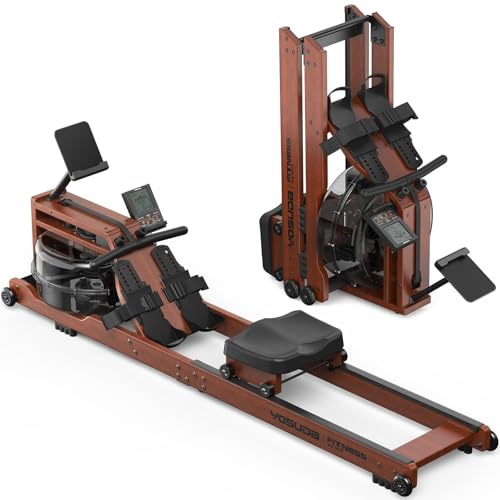
Measure the space available for the machine in use, including room around it for getting on and off and for the full rowing movement. Check the listed dimensions rather than relying on a product photo. If you plan to store the machine between uses, confirm its stored dimensions and how it is designed to be moved or stored; not every model folds or stands upright.
Fit, adjustment and user limits
Check how the foot supports adjust and whether the seat and rail appear suitable for the intended users. Consider the range of users in your household, not just the person making the purchase. Confirm the stated maximum user weight and any other user guidance provided by the manufacturer; do not infer limits from appearance or from another model.
Console and power needs
Some machines include a console, but the information displayed and the way it is powered can differ. Decide whether you want a basic display or particular features, then check exactly what the product page says is included. Where power requirements are relevant, check whether the machine uses batteries, a mains connection or another arrangement before deciding where it will go.
Rowing machine types
Common resistance designs include air, magnetic, water and hydraulic systems. Air, magnetic and water designs are often arranged around a sliding seat and rail, while hydraulic machines may use a different layout. The resistance source alone does not tell you the machine’s full dimensions, adjustment range, sound or feel, so compare the complete product details.
- Air resistance: May suit buyers who prefer resistance that responds to their rowing effort, but the fan can create sound. Check the individual machine’s adjustment options and noise information.
- Magnetic resistance: May suit buyers who want resistance settings to select, and is often considered for quieter home use. Check how the settings work and what the manufacturer states about sound.
- Water resistance: Uses water in a tank and may appeal to buyers who like the sound and feel associated with that design. Check the machine’s dimensions, care guidance and stated resistance adjustment.
- Hydraulic resistance: Often uses a different, more compact layout, but the movement can feel unlike a rail-and-seat design. Check the range of movement and adjustment details to decide whether it suits your preferences.
Match the machine to your needs
If the machine will be shared, prioritise adjustments, user guidance and a maximum user weight suitable for everyone who may use it. For a compact room, compare both in-use and stored dimensions; a smaller-looking product image is not a substitute for measurements. If sound is a concern, look for specific product information and consider where the machine will be placed. Buyers who want particular display functions should check what is included rather than assuming all consoles offer the same features.
Common buying mistakes
- Measuring only the storage space: A stored machine still needs enough room for use. Check both sets of dimensions where provided.
- Assuming all resistance systems feel alike: Resistance type can affect sound, adjustment and feel. Compare descriptions and choose based on your priorities.
- Choosing by the console image: A pictured display does not confirm which functions are included. Verify the listed console features.
- Overlooking who else will use it: Check fit, adjustment and the stated maximum user weight against all intended users.
- Assuming a machine folds or stores upright: Storage arrangements differ. Confirm the model-specific design and dimensions.
Safety and suitability
Before buying, check the manufacturer’s intended-use information, user guidance and maximum user weight. Make sure the machine can be positioned with sufficient room around it and that its adjustments suit the people who will use it. If you have a health condition, are pregnant or take medication, speak to a GP or pharmacist before starting a new exercise routine.
Ownership, maintenance and storage
Care needs depend on the machine’s design. Read the manufacturer’s cleaning and maintenance guidance, especially for any moving parts or water-based resistance system, and check whether the product has particular storage requirements. If a console needs power, factor its stated power arrangement into placement. Avoid assuming that a machine can be moved or stored in a particular way unless the product information confirms it.
A simple buying process
- Decide who will use the machine and what matters most: resistance feel, sound, storage or display features.
- Measure the intended space for use and, if needed, for storage.
- Compare resistance systems and narrow the choice to designs that suit your preferences.
- Check fit, adjustment options and the stated maximum user weight.
- Review console, power, care and storage information on each individual product page before deciding.
Buyer checklist
- Does the machine fit in the room when in use?
- Are its stored dimensions and storage method suitable for your space?
- Does the resistance type suit your preferences for feel and sound?
- Are the fit, adjustments and maximum user weight appropriate for everyone who will use it?
- Have you checked what the console displays and how it is powered?
- Have you reviewed the manufacturer’s user, care and storage guidance?
Frequently asked questions
Which resistance type is best for a home rowing machine?
There is no single best type for every home. Compare the feel, sound, adjustment method and care information for the specific machine, alongside the space where it will be used.
Are rowing machines noisy?
Sound varies by resistance system and by model. Air systems can produce fan noise, while water systems can make water sounds; check product-specific information if noise is an important consideration.
Do all rowing machines fold for storage?
No. Storage designs differ, and some machines may not fold or stand upright. Check the product’s stated storage method and dimensions before buying.
How much room does a rowing machine need?
It needs room for its full in-use dimensions and enough surrounding space to use it comfortably. Compare the listed dimensions with your available space, and check stored dimensions separately if you plan to put it away.
What should I check if more than one person will use it?
Look at the adjustment options, the manufacturer’s user guidance and the stated maximum user weight. Consider whether each intended user can accommodate the machine’s fit and movement range.
What does a rowing machine console show?
Console functions vary between models. Check the individual product details for the information displayed and how the console is powered, rather than assuming a particular feature is included.
More Rowing Machines
See all 36 Rowing Machines →


As an Amazon Associate we earn from qualifying purchases.