

Hiking socks are designed for use with walking footwear, but the right choice depends on how they fit your feet and boots, the conditions you expect to walk in and the feel you prefer. Small differences in thickness, height and construction can affect how a sock sits inside footwear.
Use this guide to compare the features that matter for your walks, whether you are choosing a first pair or replacing one. Product details can differ, so use each product page to confirm its sizing, materials and care information.
Compare Hiking Socks
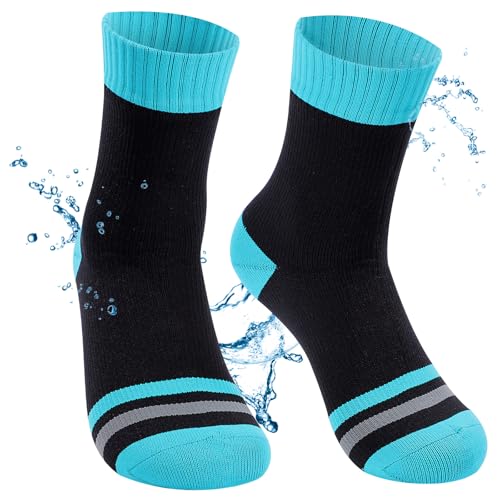


As an Amazon Associate we earn from qualifying purchases.
What should you look for in hiking socks?
Start with the fit inside your usual hiking footwear: a sock should sit smoothly, with the heel and toe in the right places and without excess fabric bunching. Then consider sock height, thickness and cushioning in relation to your footwear, walking conditions and personal preference. Check the size guide and fabric details rather than relying on a general label such as “hiking” or “thermal”. Specifications vary by model, so always check the individual product page before buying.
Compare the main buying factors
| Feature | What it means | Why it matters | What to check |
|---|---|---|---|
| Fit and sizing | The size range and shape of the sock. | A close, comfortable fit helps the sock sit correctly inside footwear; excess fabric can feel awkward. | Measure or confirm your size against the product’s own guide, and check any notes about fit. |
| Height | How far the sock rises above the foot. | The cuff needs to work with your footwear and the coverage you prefer. | Compare the stated height or product images with the top of your boots or shoes. |
| Thickness and cushioning | How substantial the sock feels and where, if anywhere, extra cushioning is included. | Thicker socks take up more room in footwear; cushioning may change the feel underfoot. | Check product descriptions and consider how the sock will fit with your usual footwear. |
| Fabric composition | The fibres used, which may include wool, synthetic fibres or blends. | Materials affect feel, care needs and how the sock behaves when worn. | Read the composition and care instructions, especially if you have a fabric preference. |
| Construction | Details such as seams, shaping and cuff design. | These can affect how the sock feels and stays positioned in your footwear. | Look for clear product details or images showing the heel, toe and cuff. |
Choosing the right features
Fit with your footwear
Fit is best judged with the footwear you plan to wear. A thick sock can make a snug boot feel tighter, while a loose sock may shift or fold inside it. Check that the heel sits at the heel of the foot and the toe area is not overly long or compressed. If you are between sizes, use the product’s sizing guidance rather than assuming all brands size alike.
Height and coverage
Choose a height that works with the footwear opening and the coverage you want around your lower leg. A low-cut style may sit below the top of some boots; a taller cuff may provide more coverage. Do not assume a particular height from the category name alone: confirm it in the listing details or images.
Thickness and cushioning
Think about the space inside your footwear before choosing a thicker or more cushioned sock. It may feel more substantial, but it also occupies more room. If you already have well-fitting hiking footwear, avoid choosing thickness in isolation; consider how the sock and footwear feel together.
Fabric and care
Hiking socks may use wool, synthetic fibres or a blend. Fibre choice can affect the feel against your skin and the care the item needs, but the mix and construction vary. Check the composition and washing instructions on the individual product page, particularly if you prefer a particular fibre or need straightforward care.
A practical fit check
When trying a pair with your hiking footwear, check that the sock is pulled on smoothly, with the heel aligned and no obvious folds at the toes or under the foot. Fasten the footwear as you normally would and notice whether the sock feels too bulky or loose. This simple comparison can help you decide whether a different size or thickness is worth considering; it is not a substitute for the product’s own sizing advice.
Types and variations
Hiking socks are commonly distinguished by height, thickness, cushioning and fabric rather than by one universal design. A lighter or thinner option may suit footwear with limited room, while a thicker or more cushioned style may appeal if you prefer a more substantial feel and have space for it. Taller and shorter socks offer different amounts of coverage. Check the actual product description, as labels and construction details are not consistent across every product.
Choose for your walking needs
- For snug-fitting footwear: pay particular attention to thickness and sizing so the sock does not make the fit feel cramped.
- For footwear with a higher opening: compare sock height with the boot opening and choose the coverage you prefer.
- For changing conditions or different footwear: consider whether one sock thickness will work comfortably across your planned uses, or whether you would rather choose by footwear and conditions.
- For a fabric preference: read the fibre composition rather than relying on broad material descriptions in a product title.
Common buying mistakes
- Choosing only by the word “thick”: thickness uses space inside a boot. Check your footwear fit as well as the sock description.
- Assuming all hiking socks have the same height: compare the stated height or images with your footwear before deciding.
- Buying by shoe size without checking the sock guide: sizing can vary, so use the individual product’s size information.
- Overlooking care instructions: different fibre mixes may have different washing requirements. Check the label details before buying.
- Assuming a product title tells the whole story: confirm composition, sizing and construction in the full product information.
Safety and suitability
Choose socks intended for the footwear and activity you have in mind, and check that the fit feels comfortable with your boots or shoes. If a product’s sizing or intended use is unclear, consult its product information before buying. No sock type is a universal fit for every foot or item of footwear.
Care and storage
Follow the care instructions supplied for the specific pair, since washing requirements depend on its materials and construction. Store socks clean and dry, and check the pair for changes in fit or condition before setting out. Do not assume every fabric blend can be washed or dried in the same way.
A simple buying process
- Identify the footwear and conditions you expect to use the socks with.
- Check your size against the individual product’s sizing guide.
- Compare height, thickness and cushioning with the space and coverage you want.
- Review fabric composition, construction and care instructions.
- Recheck the product details and decide which trade-offs best suit your needs.
Hiking socks buyer checklist
- Does the size guide match your measurements or usual sock size?
- Will the sock height work with your footwear opening?
- Is its thickness suitable for the space inside your boots or shoes?
- Have you checked the fabric composition and care instructions?
- Are the product details clear about construction and intended use?
Frequently asked questions
Should hiking socks be thick?
Not necessarily. The best thickness depends on your footwear, the room available inside it and the feel you prefer. Compare the sock with your usual boots or shoes rather than choosing by thickness alone.
How high should hiking socks be?
Choose a height that suits your footwear and the amount of coverage you want. Check the stated product details or images, because a category label may not specify how high a sock rises.
Are wool or synthetic hiking socks better?
Neither is automatically the right choice for everyone. Compare the fibre composition, feel, care instructions and other construction details, and consider any fabric preferences you have.
Can I wear hiking socks with everyday shoes?
That depends on the sock’s thickness and height and on the space available in your shoes. Check that the sock fits without making the footwear feel too tight or loose.
How do I choose the right size?
Use the size guide on the individual product page, since sizing can differ between products. If guidance is provided for measurements as well as shoe size, follow the product’s instructions.
More Hiking Socks
See all 94 Hiking Socks →


As an Amazon Associate we earn from qualifying purchases.