

A walking pad is a compact, treadmill-style machine intended for walking. Models can differ in their controls, walking surface, handrails and storage design, so the right choice depends on where and how you plan to use it.
Before comparing features, consider the space available both in use and when the machine is stored. Then check that the product’s stated capacity, dimensions and intended use suit the people and setting it is meant for.
Compare Walking Pads


As an Amazon Associate we earn from qualifying purchases.
What should you look for in a walking pad?
Start with the space you can dedicate to walking and storage, then compare the walking surface and the controls. A simpler, low-profile design may suit a desk area, while a model with a handrail may better match a preference for an upright support structure. These choices can affect the machine’s footprint and how easily it fits your routine. Specifications vary by model, so always check the individual product page before buying.
Walking pad features compared
| Feature | What it means | Why it matters | What to check |
|---|---|---|---|
| Overall dimensions | The space the pad takes up during use | It needs to fit the intended area with enough room around it | Product dimensions and the space recommended by the maker |
| Walking surface | The usable length and width of the belt | Affects how much room you have to walk comfortably | Belt measurements, where provided, and whether they suit your stride |
| Handrail or handle | Whether the design has a raised support structure | Changes the feel, profile and placement options of the machine | How the handle is positioned and whether it folds or adjusts, if stated |
| Speed controls | How walking speed is selected and adjusted | Controls should make sense for the way you intend to use the pad | Control method and the stated speed range |
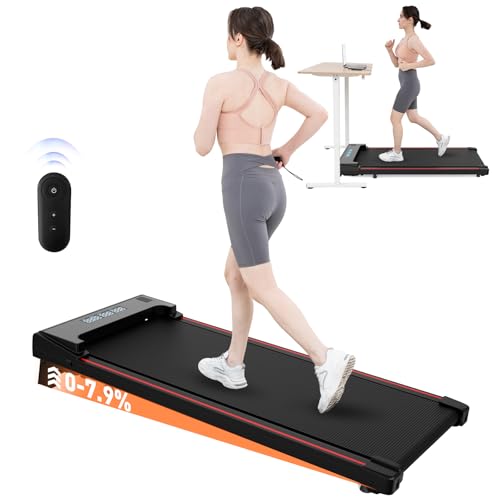
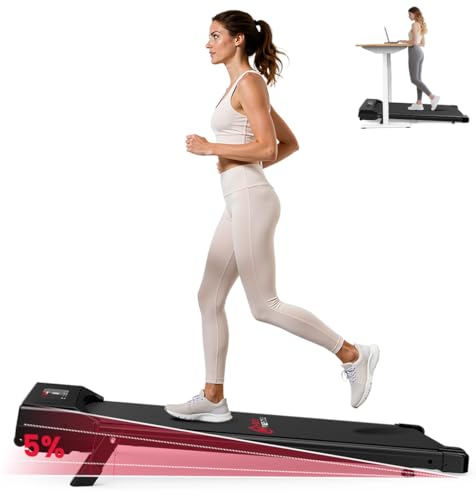
| Incline | Whether the walking surface can be set at an incline | Adds another setting to compare, but may affect the machine’s dimensions or use | Whether adjustment is manual or powered and the details given for that model |
| Weight capacity | The manufacturer’s stated maximum user weight | Helps you check that the product is appropriate for its intended user | The stated limit on the individual product page |
| Storage design | Whether and how the machine folds or can be moved | A compact design in use may still need substantial storage space | Stored dimensions, machine weight and any stated moving features |
Choosing the right characteristics
Space and walking surface
Measure the area where you expect to use the pad, rather than relying on the word “compact”. Allow for the full footprint and check the product information for any additional clearance guidance. Compare the belt’s stated dimensions with the space you need for your natural stride; a shorter surface may be easier to place but can feel restrictive for some users.
Controls and intended use
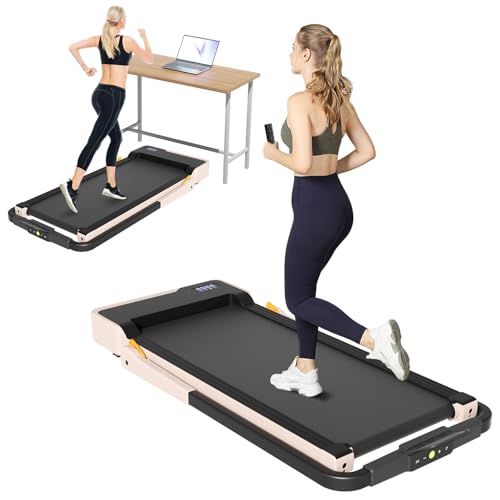
Think about whether you will walk beside a desk or use the pad as a standalone machine. Check how speed is controlled and whether the controls are positioned conveniently for that setting. If a model is described as suitable for use under a desk, check its height and dimensions against your own setup rather than assuming it will fit.
Handrails and incline
A handrail changes the machine’s shape and may affect where it can be placed. Check its position, adjustability and folding arrangement where these details are provided. Incline is another feature to compare if you want it, but look for the adjustment method and stated settings rather than assuming all walking pads include it.
Capacity and construction details
Check the manufacturer’s stated maximum user weight and compare it with the intended user. Product descriptions may also give details about the belt, frame or motor, but avoid comparing headline figures in isolation: consider the complete product information and whether the dimensions and intended use suit your needs.
Common walking pad types
- Low-profile or under-desk designs: These may suit buyers looking for a pad to place in a desk area. Check its height, footprint and controls against the desk and available floor space.
- Models with a handrail: These have a more upright structure and may suit buyers who prefer a handle as part of the design. Check how it affects placement and storage.
- Folding designs: A folding frame or handle can help with storage, but does not guarantee a small stored footprint. Compare the folded dimensions and machine weight.
- Incline models: Some models offer an incline setting. Check how it is adjusted and whether the product’s dimensions and intended use remain suitable for your space.
Features can overlap, and a product may combine several of these designs. Treat each feature as something to verify on the individual product page.
Match the pad to your space and routine
For desk use, prioritise the pad’s height, footprint and control arrangement, then check that the desk and walking area can accommodate it. For a shared room, consider whether the machine can be stored elsewhere and whether its stated weight and folded dimensions make that practical. If more than one person will use it, check that its stated capacity and walking surface are suitable for each intended user.
For a buyer who values a handle or incline, compare those features alongside the trade-offs in space and storage. Avoid choosing by feature count alone: a simpler model that fits the room and intended use may be a better match than one with settings you do not need.
Common buying mistakes
- Checking only the in-use footprint: Measure the space needed for both use and storage; folded dimensions can be quite different from the working footprint.
- Assuming every pad suits desk use: Check the height, controls and intended use against your desk arrangement.
- Choosing by a headline speed or motor figure: Look at the full specification and compare it with your intended walking use, dimensions and capacity.
- Assuming a handle or incline is standard: Confirm the specific features and how they adjust on each product page.
- Ignoring who else may use it: Check the stated weight capacity and usable walking surface for all intended users.
Safety and suitability
Choose a model intended for the use you have in mind, and check the manufacturer’s guidance on suitable users, space and electrical requirements. If you have a health condition, are pregnant or take medication, speak to a GP or pharmacist before starting a new exercise routine.
Storage and care
Plan where the walking pad will live when it is not in use, including whether it can be moved and how much room it needs when folded. Check the machine’s weight and any stated moving or storage features before relying on a particular storage plan. For cleaning and care, follow the instructions supplied for that model; requirements can differ.
A simple buying process
- Decide where you will use the pad and measure the available floor and storage space.
- Choose whether a low-profile design, handrail or incline is important for your intended use.
- Compare the walking surface, controls and stated weight capacity.
- Consider the trade-off between extra features, overall size and ease of storage.
- Check the full product information, including dimensions, intended use and any manufacturer guidance.
Walking pad buyer checklist
- Does the in-use footprint fit the space, with any recommended clearance?
- Will the walking surface suit the intended user?
- Are the controls appropriate for where and how the pad will be used?
- Are the handrail and incline details clear, if those features matter to you?
- Does the stated weight capacity suit every intended user?
- Will the pad fit where you plan to store it?
- Have you checked the manufacturer’s guidance and the full product details?
Walking pad FAQs
Are walking pads and treadmills the same?
Both have a moving walking surface, but walking pads are generally positioned as compact walking machines. Designs and intended uses vary, so compare dimensions, controls and product guidance rather than relying on the name alone.
Can I use a walking pad under a desk?
Some models are presented for under-desk use, but not every design will fit every desk. Check the pad’s height, footprint and control arrangement against your workspace, along with the manufacturer’s stated intended use.
Do all walking pads have handrails?
No. Some designs have a low profile, while others include a handle or handrail. Confirm the arrangement on the individual product page and consider how it affects your space and storage.
Is a folding walking pad easy to store?
Folding can change the shape of a machine, but it does not by itself confirm how much storage space it needs. Compare the stored dimensions and weight with the place where you plan to keep it.
What should I check about an incline feature?
Check whether incline is included, how it is adjusted and what details the manufacturer gives for that model. Do not assume that the feature is present or adjustable in the same way across all walking pads.
How do I know whether a walking pad is suitable for me?
Compare the stated maximum user weight, walking surface, controls and intended use with your needs. If the product information does not make a key feature clear, do not assume it; check the individual product details before deciding.
More Walking Pads
See all 57 Walking Pads →


As an Amazon Associate we earn from qualifying purchases.