

A waterproof jacket can be useful for walking and hiking in changeable weather, but the right choice depends on how and where you plan to wear it. Fit, ventilation and practical details can matter as much as the description of the fabric.
Use this guide to compare jacket types and features, and to work out what information to check on an individual product page. It focuses on choosing a jacket, rather than assuming that one design suits every outing.
Compare Waterproof Jackets

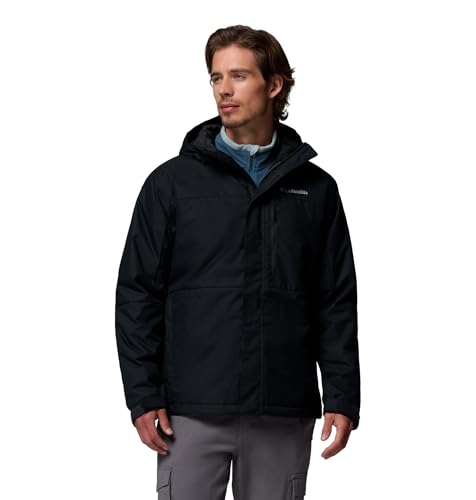


As an Amazon Associate we earn from qualifying purchases.
What should you look for in a waterproof jacket?
Start with the conditions you expect and the clothing you may wear underneath. Look for clear information about the jacket’s construction, hood, fastening and ventilation, then consider how those details affect comfort and ease of use. A more protective design may feel less airy, while a lighter or more packable option may involve trade-offs in features or coverage. Specifications vary by model, so always check the individual product page before buying.
Waterproof jacket features compared
| Feature | What it means | Why it matters | What to check |
|---|---|---|---|
| Fabric description | The product information may describe a waterproof fabric, coating or membrane. | It helps explain how the jacket is intended to handle wet conditions, but the wording alone does not establish how it will perform for every use. | Read the full product description and any stated limitations or care information. |
| Seams and fastenings | Seam construction and the design of the front fastening can affect where water may enter. | Coverage can depend on details beyond the main fabric. | Look for specific descriptions of seams, zip protection, cuffs and hem rather than assuming they are the same across jackets. |
| Hood | Hoods vary in coverage, shape and adjustment. | A suitable fit can help the hood stay comfortable and usable in the conditions you expect. | Check how it adjusts and whether the description explains its fit with your usual headwear. |
| Ventilation | Some designs include openings or other features intended to let heat and moisture escape. | More coverage can feel less comfortable during active walking; ventilation may help, but can add bulk or openings. | Check which ventilation features are actually specified and how they are operated. |
| Fit and layering room | The cut determines how the jacket sits over clothing and how freely you can move. | A close fit may limit layers, while an overly loose fit can feel cumbersome. | Consult the size information and consider the layers you expect to wear underneath. |
| Pockets and packability | Pocket placement and how the jacket can be carried vary by design. | These details affect day-to-day convenience and how easily the jacket fits into your plans. | Check pocket positions, closures and any stated packing information. |
Choosing the details that affect comfort
Fabric and construction
Product descriptions may use terms such as waterproof, water-resistant, coated or membrane fabric. These terms are not interchangeable, and a category label is not a guarantee of a particular level of protection. Read the individual description for the stated construction and intended use; do not assume that a fabric claim tells you about the seams, fastenings or coverage.
Fit for movement and layers
Think about what you will wear beneath the jacket. If you expect to add warm layers, check the sizing information with those layers in mind. Consider whether the cut leaves room to raise your arms, reach for a pack or move comfortably, without creating excess fabric that gets in the way. Where possible, use the product’s size guide rather than relying on a size label alone.
Hood, cuffs and hem
A hood that can be adjusted to sit comfortably may be more practical than one with limited adjustment. Cuffs and hems also affect how the jacket sits over other clothing and how readily you can adapt the fit. Check the product details for the type of adjustment provided; do not assume every jacket has the same controls or coverage.
Breathability and ventilation
Walking can make a covered jacket feel warm, especially when the pace or conditions change. Ventilation features may help release heat, but their presence and position vary. Check whether the product description specifies vents or another means of ventilation, and weigh that against your preference for coverage and simplicity.
Weight, pockets and carrying
If you expect to carry the jacket when it is not being worn, look for stated weight or packing details where provided. Pocket placement can affect access when wearing a rucksack, so compare the described positions with your usual kit. Avoid assuming that a jacket packs into its own pocket unless this is clearly stated.
A simple fit check can help you compare the practical details: look at the hood, cuffs and hem, then consider how the jacket sits over the layers you expect to wear.

Types and variations
Waterproof jackets differ in their balance of coverage, weight, ventilation and everyday features. A more streamlined design may suit someone prioritising a simple layer to carry, while a jacket with more adjustment or ventilation may appeal to someone who values those details. These are broad buying considerations, not fixed product categories; check the individual description to confirm what a particular jacket includes.
Matching a jacket to your plans
- For occasional walks: Prioritise a comfortable fit, useful coverage and straightforward details. Consider how often you expect to carry the jacket when comparing weight and packability.
- For longer or more active outings: Give extra attention to ventilation, freedom of movement and how the hood and cuffs adjust. A highly covered design may feel warmer, so consider the conditions in which you expect to wear it.
- For changeable conditions: Check the stated construction and coverage details rather than relying on the word “waterproof” alone. Think about how the jacket will work with your other layers.
- For everyday use as well as walking: Compare the cut, pocket layout and appearance with your usual clothing, while making sure the intended coverage still suits your outdoor use.
Common buying mistakes
- Choosing by the label alone: A waterproof label does not describe every detail of construction. Check the seams, fastenings and stated use as well.
- Ignoring layers when choosing a size: A jacket that fits over a light top may feel restrictive over warmer clothing. Consider your likely layers and consult the sizing information.
- Assuming every hood or cuff adjusts the same way: Designs vary. Check the product details for the adjustment provided and whether it matches your preferences.
- Overlooking ventilation: A jacket that offers substantial coverage may feel warm during active walking. Compare any listed ventilation features with your likely pace and conditions.
- Assuming it will pack small: Packability is not the same across designs. Look for specific information rather than inferring it from the jacket’s appearance.
Safety and suitability
Choose a jacket for the conditions and activities you have in mind, and check the product information for any stated limitations. A jacket should not be treated as a guarantee of comfort or protection in every weather condition; consider your wider clothing and outdoor plans as well. If you will be near roads or in low-light conditions, check whether the jacket has visibility features rather than assuming it does.
Care, storage and ownership
Care requirements can differ by fabric and construction, so follow the instructions supplied with the individual jacket. Check whether the product information gives washing or storage guidance before buying, particularly if you want a garment that is straightforward to look after. Store it as directed and avoid assuming that all waterproof finishes or constructions need identical care.
How to choose a waterproof jacket
- Decide where and how you expect to use the jacket, including the conditions and likely activity level.
- Choose the kind of fit and coverage you prefer, allowing for any layers worn underneath.
- Compare construction, hood, cuffs, hem and ventilation using the details stated for each product.
- Weigh practical trade-offs such as coverage versus ventilation, or extra features versus a simpler design.
- Check the sizing, care information and any stated limitations on the individual product page before deciding.
Waterproof jacket buyer checklist
- Does the stated construction suit the conditions you have in mind?
- Have you checked the fit and size information with your likely layers?
- Are the hood, cuffs and hem details clear and suitable for your preferences?
- Have you considered ventilation and how warm the jacket may feel while walking?
- Do the pockets, weight and packing details suit how you expect to carry it?
- Have you checked the care instructions and any stated product limitations?
Waterproof jacket FAQs
What is the difference between waterproof and water-resistant?
The terms describe different claims, but the wording alone does not tell you how a particular jacket will perform in every condition. Read the product’s full description and check what construction and limitations are stated.
Do all waterproof jackets have taped seams?
No; seam details can vary between designs. Check the individual product information rather than assuming a particular seam treatment is included.
How should a waterproof jacket fit?
It should suit your movement and the layers you expect to wear underneath. Use the product’s size information and consider how the cut feels across the shoulders and arms, rather than choosing by the size label alone.
Is ventilation important in a waterproof jacket?
It can matter if you expect to walk actively or find covered clothing warm. Compare the ventilation details provided with your intended use, while keeping in mind that designs and features differ.
Can I use one jacket for both everyday wear and hiking?
That depends on its fit, coverage and features, as well as what you need for your walks. Compare the stated intended use and practical details with the conditions you expect, rather than assuming every jacket is suited to both.
How do I care for a waterproof jacket?
Follow the care instructions for that specific jacket, because requirements can vary with its construction. Check the product information before buying if ease of care is important to you.
More Waterproof Jackets
See all 31 Waterproof Jackets →


As an Amazon Associate we earn from qualifying purchases.