

Whey protein is a milk-derived ingredient commonly sold as a powder. Choosing one involves more than picking a flavour: labels, ingredients, serving information and pack size can differ between products.
This guide explains what to compare on individual product pages and packaging. It focuses on making an informed product choice, rather than suggesting a particular product or a way to use it.
Compare Whey Protein


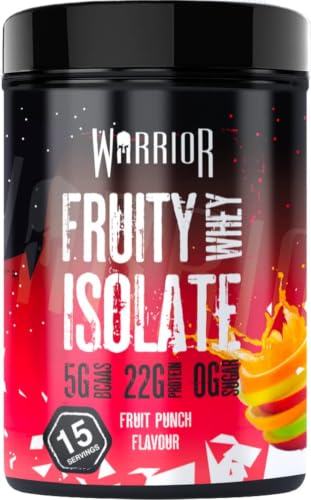

As an Amazon Associate we earn from qualifying purchases.
What should you compare when choosing whey protein?
Start with the product’s whey form and nutrition panel, then check ingredients and allergen information against your requirements. Compare the stated serving size and number of servings alongside the pack size, as these details help you understand what the pack contains. A flavour you are comfortable with matters too, but label details should take priority if you have dietary restrictions.
Whey protein comparison at a glance
| Feature | What it means | Why it matters | What to check |
|---|---|---|---|
| Whey form | The product may name a form such as concentrate, isolate or hydrolysate. | Forms and product formulations can differ, so the name alone does not tell you everything about the finished product. | Check the full product description, ingredients and nutrition panel. |
| Nutrition information | The panel lists values for a stated serving and may also provide values per 100 g. | Comparisons are clearer when you compare like with like. | Note the serving size and compare the same basis across products. |
| Ingredients and allergens | The ingredient list and allergen information describe what the product contains or identifies as an allergen. | These details are important for personal dietary requirements. | Read the full current product information; do not rely on the product name alone. |
| Flavour and other ingredients | Flavours and added ingredients vary between formulations. | A product’s taste profile and ingredient list may affect whether it suits your preferences. | Review the full ingredient list and flavour description. |
| Pack size and servings | Packaging may state a net quantity and an estimated number of servings. | Serving counts depend on the stated serving size, so pack weight alone is not the whole comparison. | Check both the pack quantity and the serving information. |
| Storage guidance | The label gives product-specific storage information. | Storage directions can differ between products. | Look for the stated instructions on the pack or product page. |
Factors that affect your choice
Whey form and product description
Concentrate, isolate and hydrolysate are names you may see for different forms of whey. Their processing and formulation can differ, but the form name by itself is not a complete guide to a finished product’s ingredients or nutrition values. Compare the full label rather than assuming one form is automatically the right choice.
Serving information and nutrition panel
Check the serving size shown alongside the nutrition information. If comparing two products, use the same basis—such as the values per 100 g, where provided—rather than comparing figures that refer to different serving sizes. Specifications vary by model, so always check the individual product page before buying.
Ingredients and allergen details
Read the complete ingredients and allergen information, especially if you avoid particular ingredients. Whey is milk-derived, but the exact formulation and the way allergen information is presented can vary. Do not assume that a particular whey form is suitable for a milk allergy or intolerance; check the product information and seek professional advice if you are unsure.
Flavour, pack size and servings
Choose a flavour based on your own preference, and check whether the description refers to a single flavour or a variety. Pack size is most useful when considered alongside the stated serving size and serving count. Treat those details as label information, not as a recommendation about how much to consume.
Whey protein types and variants
Product labels may identify whey concentrate, whey isolate, hydrolysate or a blend. These terms describe forms or combinations used in the product; exact ingredients and nutrition values vary by formulation. Use the product’s ingredient list and nutrition panel to compare, rather than relying on the type name alone. If none of the labels makes the product’s contents clear, check the full product information before deciding.
Choosing for your requirements
- If you are comparing labels: Use the same nutrition basis and check serving sizes, so the figures are meaningful side by side.
- If you have dietary restrictions: Give the ingredient list and allergen information priority over flavour or product-form names.
- If you are unsure about the whey form: Compare the complete product details; concentrate, isolate and hydrolysate labels do not replace the nutrition and ingredient panels.
- If pack size is your main concern: Compare net quantity with the stated serving size and count, rather than selecting by package appearance.
Common buying mistakes and misunderstandings
- Choosing by form name alone. Concentrate, isolate and hydrolysate labels do not give the full picture. Check ingredients and nutrition information for the specific product.
- Comparing different serving sizes. A larger per-serving figure may reflect a larger stated serving. Compare equivalent information, such as values per 100 g where available.
- Assuming all whey products suit the same dietary needs. Formulations and allergen details differ. Read the complete product information rather than inferring suitability from the category name.
- Using pack weight as the only value check. The serving count depends on the stated serving size. Consider pack quantity and serving information together.
- Overlooking other ingredients. Flavourings and other ingredients may differ. Review the ingredient list if these matter to you.
Safety and suitability
Check the ingredients and allergen information before choosing, particularly if you have an allergy, intolerance or other dietary requirement. If you have a health condition, are pregnant or take medication, speak to a GP or pharmacist before using a supplement. Food supplements should not be used as a substitute for a varied, balanced diet and a healthy lifestyle.
Storage and keeping the product
Follow the storage directions on the individual product packaging, and check any instructions about keeping the pack closed or using it by a stated date. Storage recommendations can vary, so do not assume that one product’s directions apply to another.
A practical buying process
- Identify any ingredient, allergen or dietary requirements you need to check.
- Compare the whey form and product descriptions without treating a form name as a guarantee of suitability.
- Review the nutrition panel using matching serving information or a common comparison basis.
- Compare flavour, pack quantity and stated servings, considering the trade-off between pack size and the serving information.
- Read the full individual product details, including ingredients, allergen information and storage guidance, before deciding.
Whey protein buyer checklist
- Have I checked the named whey form and the full product description?
- Am I comparing nutrition values on the same basis?
- Have I read the ingredients and allergen information?
- Do the flavour and other listed ingredients suit my preferences?
- Have I compared pack quantity with serving size and stated servings?
- Have I checked the product-specific storage instructions?
Frequently asked questions
What is the difference between concentrate, isolate and hydrolysate?
These are names for different forms or processing of whey used in products. The finished formulation and nutrition information vary, so compare the product’s actual ingredient list and panel rather than choosing by name alone.
How should I compare protein information on labels?
Check the serving size attached to each figure. For a clearer comparison, use the same basis across products, such as values per 100 g where provided.
Does whey protein contain milk?
Whey is milk-derived. Read the product’s full allergen and ingredient information, and do not assume it is suitable if you have a milk allergy or intolerance.
How do I compare pack sizes?
Look at net quantity, the stated serving size and the number of servings together. A pack’s weight on its own does not show how many servings the label lists.
Do all whey protein powders have the same ingredients?
No. Formulations, flavours and other ingredients can differ. Check the full ingredient list for the specific product you are considering.
How should whey protein be stored?
Follow the storage guidance on the product’s packaging. Check the individual instructions, as they can vary between products.
More Whey Protein
See all 80 Whey Protein →
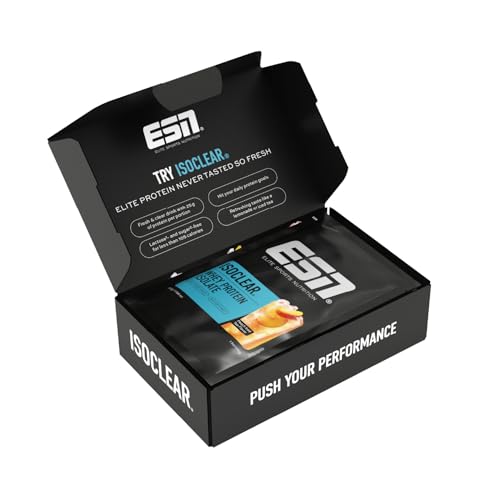


As an Amazon Associate we earn from qualifying purchases.